
Quesnelia marmorata
Quesnelia marmorata
Description
Growing requirements
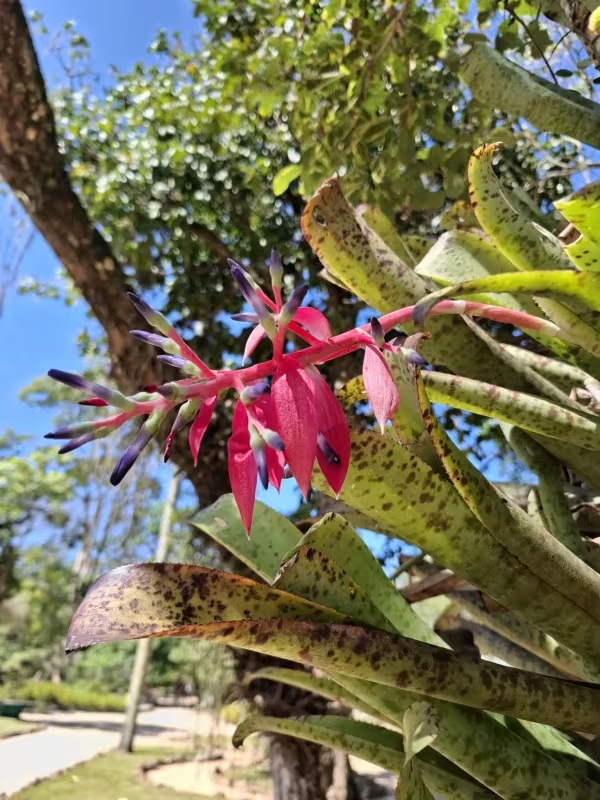
Quesnelia marmorata is a distinctive species within the Bromeliaceae family, renowned for its architectural foliage. Native to the Atlantic coastal forests of Brazil, this epiphytic plant typically thrives in high-humidity environments attached to tree trunks or rocks.
The plant requires bright, indirect light to maintain its characteristic marble-like foliage patterns. Direct sunlight is generally harmful as it can scorch the leaves, while insufficient lighting leads to a loss of vigor and stunted growth of the central rosette.
Temperature requirements are consistent with tropical plants: it prefers a range between 18 and 26 degrees Celsius. It is vital to avoid temperatures below 12 degrees, as the plant is susceptible to cold damage and may enter a state of dormancy or decline.
A well-draining substrate is mandatory for healthy root systems. A mixture of pine bark, perlite, peat moss, and charcoal is ideal for providing the necessary aeration and moisture retention that prevents the plant from becoming waterlogged.
Watering techniques are unique for this species; it is essential to keep the central tank filled with fresh, soft water. In the growing season, ensure the soil remains moist but not saturated, allowing for good airflow around the base to prevent bacterial growth.
Main diseases and pests
The most common pests affecting Quesnelia marmorata include mealybugs and scale insects, which often hide in the tight crevices of the leaves. Manual removal or application of specialized horticultural oils can effectively manage these infestations.
Spider mites are a persistent threat in environments with low air humidity. These microscopic pests extract sap from the leaves, leaving behind stippling and webbing. Increasing humidity or using localized sprays is necessary for effective containment.
Fungal rots are typically the result of poor ventilation and stagnant water conditions. If the plant stays wet for too long without adequate airflow, the base of the rosette may soften, leading to rapid decay which is difficult to reverse.
Nutrient deficiencies or improper water quality can lead to brown tips and leaf yellowing. It is recommended to use filtered or rain water to avoid salt accumulation, which can burn the sensitive root system of this bromeliad.
Consistent monitoring and maintaining a clean growing area are the best defensive strategies. By avoiding water accumulation on the leaves in cooler temperatures and ensuring a light breeze in the cultivation space, growers can mitigate most pathogenic risks.