
Pyracantha koidzumii
Pyracantha koidzumii
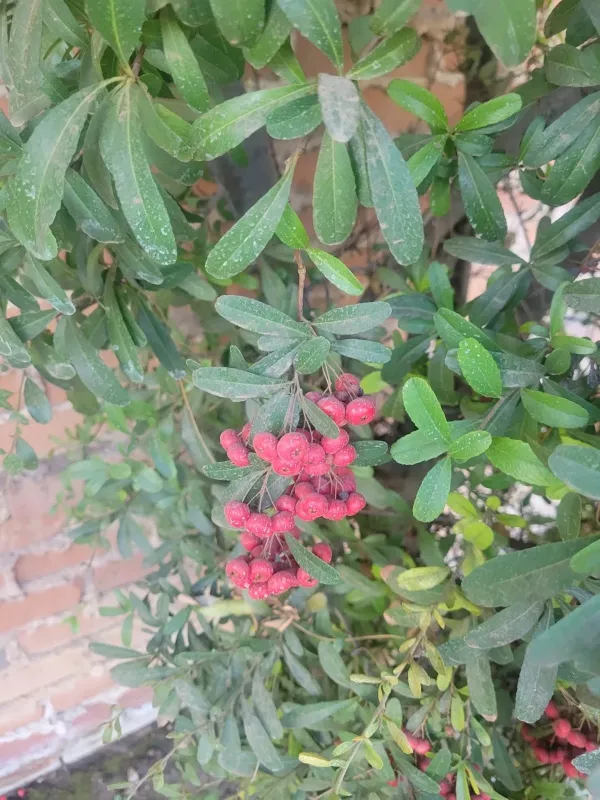
Description
Growing requirements
Pyracantha koidzumii, commonly known as Formosa firethorn, is an evergreen shrub in the Rosaceae family native to Taiwan. It is highly valued in horticulture for its dense growth habit, sharp thorns, and spectacular displays of bright red to orange berries that persist throughout the winter season.
The plant thrives in full sun to partial shade, requiring well-drained, fertile soil to ensure optimal development. While it is adaptable to various soil types, maintaining a neutral to slightly alkaline pH is ideal for nutrient uptake, and adequate drainage is crucial to prevent the onset of root-related issues.
Climatic requirements involve moderate temperatures, as the species is sensitive to extreme frost, which can damage foliage and young shoots. In colder zones, strategic placement against sunny walls or providing winter cover is essential to protect the plant from freezing winds and low-temperature stress during the dormant season.
Cultural practices mainly involve regular pruning to maintain the desired shape or to manage the size of hedges. Pruning is best performed immediately after flowering or in late winter to encourage vigorous growth and ensure a high yield of fruit, which adds significant ornamental value to the garden landscape.
In terms of agricultural and landscaping utility, this shrub is extensively used for creating security hedges and formal topiary displays. Beyond aesthetics, the berries serve as a vital food source for avian populations during colder months, making the plant an excellent contributor to biodiversity in urban and suburban gardens.
Main diseases and pests
Fire blight, caused by the bacterium Erwinia amylovora, is the most severe threat to Pyracantha koidzumii, manifesting as blackened, scorched-looking foliage and dead branches. Strict sanitation, including pruning out infected wood and disinfecting tools, is mandatory to halt the spread of the infection.
Aphids often target young, succulent growth in the spring, causing distortion of leaves and promoting the growth of sooty mold due to their honeydew secretions. Management involves the use of horticultural soaps or systemic insecticides to keep populations below damaging levels during the peak growth period.
Powdery mildew can affect the plant during humid, stagnant air conditions, resulting in a white fungal coating on the surface of leaves. To prevent this, growers should ensure adequate spacing between plants and implement thinning cuts to improve airflow throughout the central portions of the shrub's canopy.
Scale insects present a hidden threat by clinging to stems and sucking plant sap, which eventually leads to stunted growth and leaf drop. Regular monitoring of the stems is necessary, and if infestations are detected, treatment with systemic insecticides or dormant oil sprays can effectively manage the pest.
Root rot is primarily a symptom of poor site selection, particularly in waterlogged or heavy clay soils that lack proper aeration. Ensuring high-quality site drainage before planting and practicing disciplined irrigation schedules are the most effective strategies to prevent fungal pathogens from attacking the root system.