
Pyracantha hybrids
Pyracantha hybrids
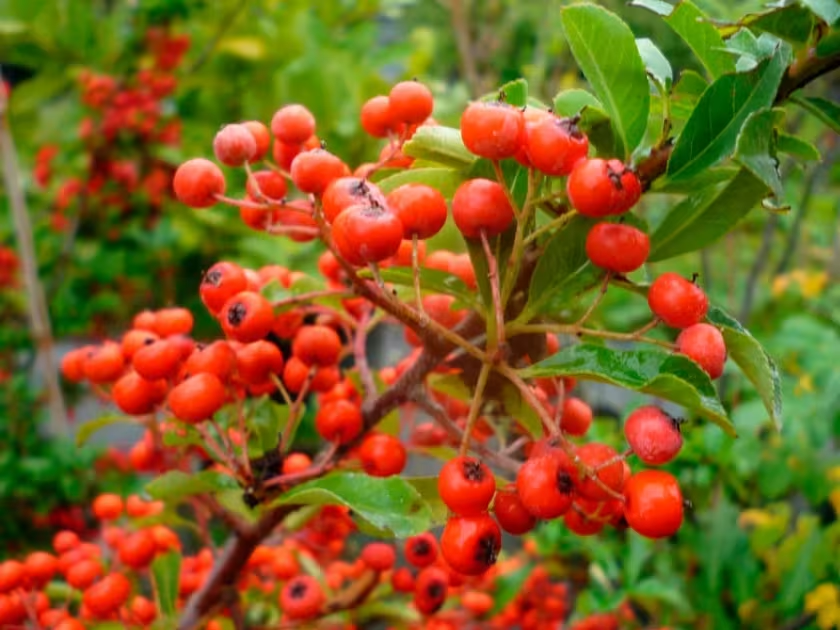
Description
Growing requirements
Pyracantha hybrids belong to the Rosaceae family and are widely recognized for their evergreen, thorny nature and vibrant fruit displays. These hybrids are cultivated for their versatility in landscape design, primarily as hedges or wall-trained specimens.
The plant thrives in regions with mild winters, though it demonstrates significant adaptability to various environments. It prefers full sun exposure to maximize both flowering in spring and the production of berries in late autumn.
Regarding soil, these shrubs are quite flexible but perform best in well-drained, fertile soil with a slightly alkaline to neutral pH. Proper soil aeration is vital for root health and overall plant vigor.
Botanically, they are characterized by white, corymbose inflorescences and dense, glossy foliage. The sharp thorns provide an excellent natural barrier, making them ideal for security-focused plantings.
Routine horticultural practices include training the branches on wires when used against walls and annual pruning to maintain shape. Regular maintenance ensures the shrub remains dense and healthy throughout its life cycle.
Main diseases and pests
Fire blight (Erwinia amylovora) is the most critical disease threat to Pyracantha hybrids. This bacterial infection can spread rapidly, causing branches to appear scorched; immediate pruning of affected areas is essential to save the plant.
Scab, caused by fungi, is another frequent problem, resulting in unsightly lesions on leaves and berries. This condition is often encouraged by high humidity and poor airflow within the dense canopy.
Aphids are the most common insect pests that infest new shoots in the spring. Their feeding can cause leaf curling and attract sooty mold, which detracts from the shrub's aesthetic appeal.
Scale insects can also colonize the woody stems. If left untreated, severe infestations may lead to branch dieback and overall decline in plant health.
Integrated pest management, including regular monitoring and the use of appropriate chemical controls when necessary, is recommended to keep these plants thriving in a garden setting.