
Purple crabapple
Malus x purpurea (A. Barbier) Rehder
Description
Growing requirements
The purple crabapple (Malus x purpurea) is a hybrid ornamental tree belonging to the Rosaceae family. It is widely recognized for its vibrant purple foliage and striking spring blossoms, making it a staple in ornamental horticulture.
This species thrives in sunny locations, as direct sunlight is essential for maintaining the deep, rich purple pigmentation of its leaves. It prefers well-drained, nutrient-rich soils and does not tolerate waterlogged conditions, which can lead to root rot.
The plant is highly resilient and exhibits excellent hardiness across various temperate climates. It is particularly noted for its tolerance to urban pollutants, making it a popular choice for street plantings and parks.
Agronomic care includes consistent watering during dry spells, especially during the tree's establishment phase. Regular pruning in early spring is necessary to shape the canopy and maintain a healthy, open structure.
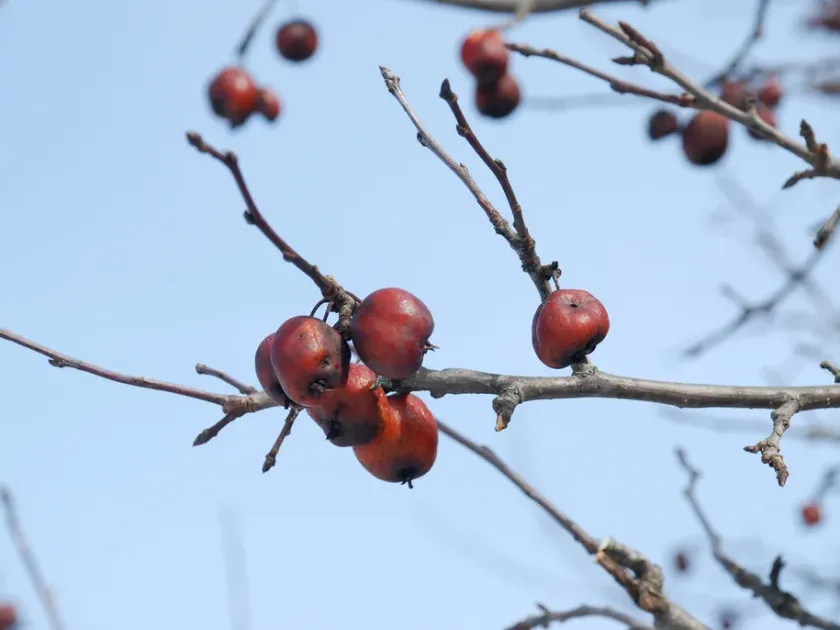
Economically and aesthetically, the purple crabapple serves primarily as a decorative specimen. Its small, persistent fruits remain on the branches into winter, providing visual interest and sustenance for local bird populations.
Main diseases and pests
Apple scab is a significant fungal threat, causing dark lesions on leaves and fruit. Maintaining proper spacing and air circulation within the canopy is crucial to prevent the development of this disease during humid periods.
Powdery mildew is another common issue that manifests as a white, dusty coating on young shoots and leaves. Fungicidal treatments should be applied at the first sign of symptoms to ensure the tree remains vigorous.
Aphids are frequent pests that infest tender growth, causing leaf curling and stunted shoots. Integrated pest management strategies, including the use of soaps or systemic insecticides, are highly recommended.
The codling moth may affect fruit quality, though this is primarily an issue if the tree's fruit is intended for decorative display or bird feeding. Keeping the area beneath the canopy clean helps reduce pest life cycles.
Regular monitoring for signs of stress or pest infestation is key to successful management. A well-nourished, healthy tree is much better equipped to withstand environmental pressures and minor infestations.