
Psittacanthus rhynchanthus
Psittacanthus rhynchanthus
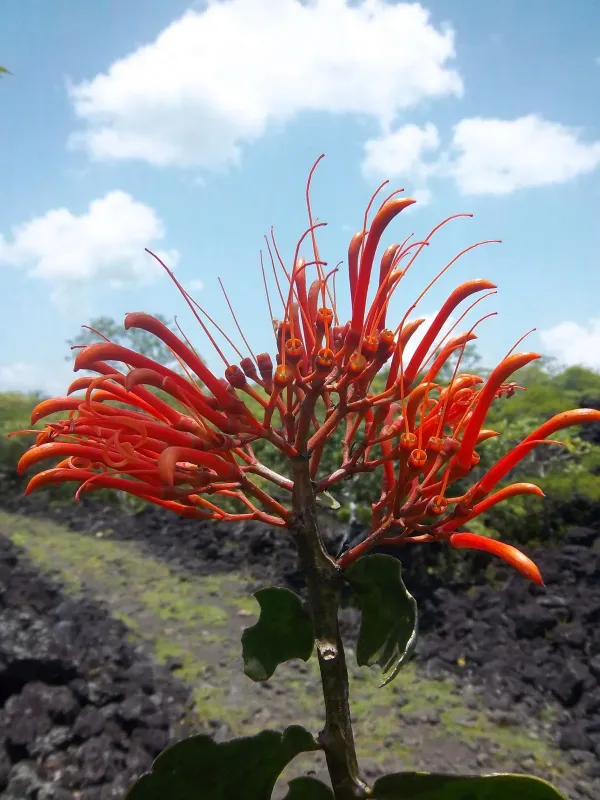
Description
Growing requirements
Psittacanthus rhynchanthus is a notable member of the Loranthaceae family, known for its hemiparasitic nature. This plant occupies a unique niche in tropical ecosystems, where it establishes connections with woody host plants to acquire vital nutrients and moisture.
The native distribution of this species spans various tropical regions of Central and South America. It typically thrives in canopy layers, where the environmental conditions provide the necessary light and humidity for its specific growth requirements.
The climatic preferences of this species include a stable, humid, and warm environment. The plant relies on the host tree to withstand fluctuating environmental conditions, essentially using the host as a buffer against extreme weather stressors.
The anatomical structure of Psittacanthus rhynchanthus features specialized haustoria. These structures are essential for the physical and physiological penetration of the host's xylem, facilitating the transfer of fluids while the plant maintains its photosynthetic activity.
Reproductive success is driven by ornithochory, where various bird species play a key role in seed dispersal. This biological synchronization between the parasite and its avian vectors is critical for maintaining population density across fragmented landscapes.
Main diseases and pests
The primary threats to the stability of Psittacanthus rhynchanthus populations involve herbivorous insect pressure. Several beetle and caterpillar species feed on the foliage and floral buds, significantly impacting the plant's reproductive output.
Pathogenic fungi can infiltrate the haustorial junction, leading to tissue necrosis. This weakens the connection between the parasite and the host, sometimes resulting in the premature death of the parasitic individual.
Environmental stressors, particularly prolonged dry seasons, significantly affect the health of the host tree. Because Psittacanthus rhynchanthus depends on the host's hydraulic integrity, it is vulnerable to the same environmental limitations.
Anthropogenic disturbances, such as forest fragmentation and the loss of avian seed dispersers, represent long-term threats to the survival of the species. Without active migration of seeds, local populations become isolated.
Effective management in agricultural or silvicultural settings often focuses on mitigating the impact of the parasite on target trees. Strategies include canopy monitoring and the periodic removal of clusters to maintain tree health and productivity.