
False Dalmatian fescue
Festuca pseudodalmatica Krajina ex Domin
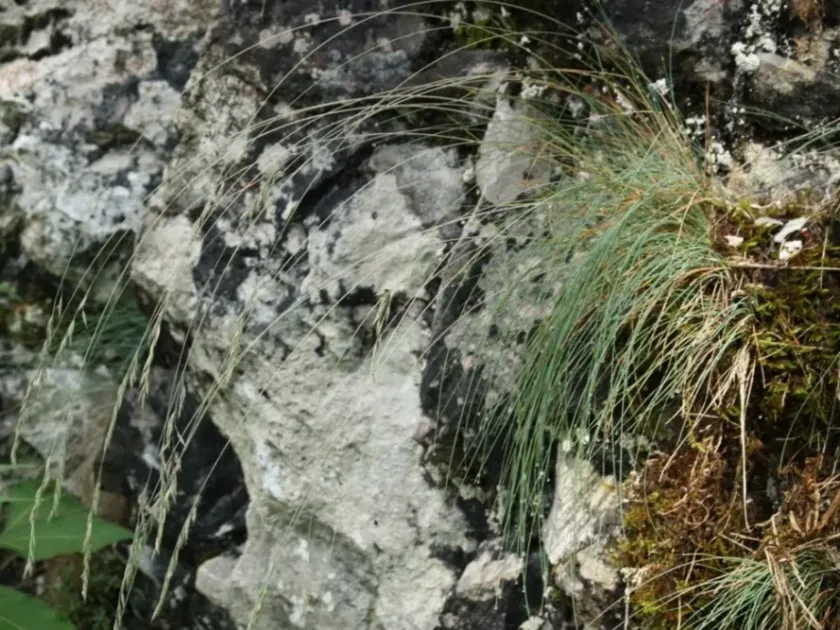
Description
Growing requirements
False Dalmatian fescue (Festuca pseudodalmatica) belongs to the Poaceae family. It is a perennial herbaceous grass known for its remarkable ability to thrive in harsh, nutrient-poor environments where other grasses struggle to survive.
This species is highly adaptable to stony, dry, and skeletal soils, making it an excellent candidate for land reclamation and soil erosion control. It naturally forms dense, sustainable stands that improve the physical properties of the soil over time.
The plant exhibits exceptional drought and cold tolerance, reflecting its evolutionary roots in arid steppe and forest-steppe ecosystems. Its deep root system allows it to efficiently extract moisture, ensuring survival during intense summer heat.
Botanically, it features a tufted growth habit with narrow, rigid leaves arranged in basal rosettes. The structure of the grass is designed to conserve water, which contributes to its long-term persistence in open, sun-exposed landscapes.
The primary economic value of this fescue lies in its use for perennial pastures. It is valued for its slow but steady regrowth after grazing and its ability to maintain acceptable nutritional levels even during late-season dry periods.
Main diseases and pests
As a steppe-adapted grass, Festuca pseudodalmatica is generally resilient to many common agricultural diseases. However, in poorly managed or excessively dense stands, fungal issues like rust can occasionally occur under humid conditions.
Pests such as cereal flies and specific aphid species can impact seed production. These insects tend to target reproductive structures, so careful monitoring is necessary for fields intended for seed harvesting rather than just grazing.
Management practices, such as rotational grazing, are effective in preventing pest build-up. Keeping the sward healthy through appropriate nitrogen management and avoiding over-compaction helps maintain the plant's natural resistance.
Weed management is crucial during the establishment phase, as the plant grows slowly in its first year. Once the stand is well-established, its density usually suppresses most invading weed species naturally.
Effective management includes regular field inspections during the transition from vegetative to reproductive stages. By minimizing stress factors, growers can ensure that the fescue remains a productive and healthy component of the landscape.