
Protea lepidocarpodendron
Protea lepidocarpodendron
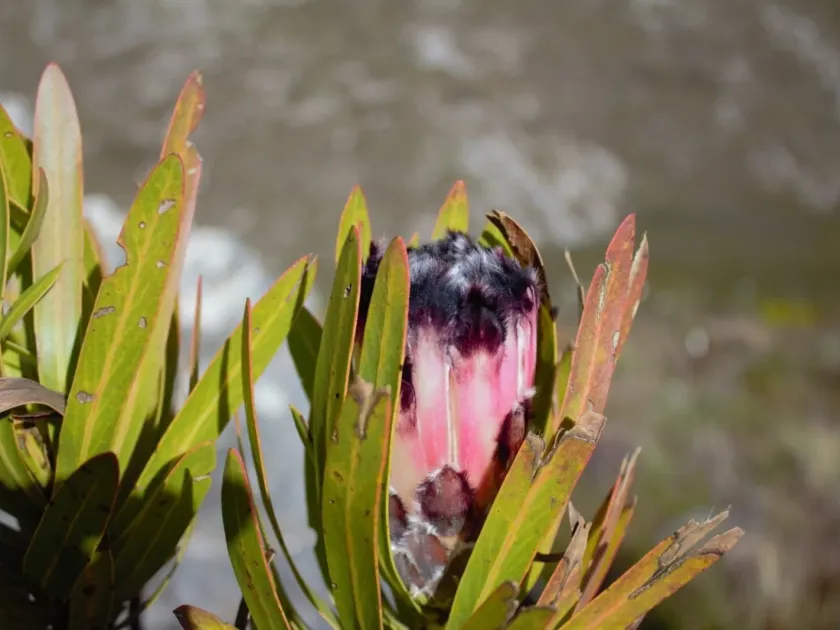
Description
Sowing dates
The propagation of Protea lepidocarpodendron is primarily achieved through seeds or cuttings. Seeds should be sown during the late summer or early autumn to take advantage of the natural diurnal temperature fluctuations essential for breaking seed dormancy.
To enhance germination rates, seeds are often treated with smoke or specialized chemical primers that mimic natural fire conditions. A well-draining, nutrient-poor, sandy or rocky substrate is critical, as rich soils can prove fatal to developing seedlings.
Germination is a slow process, typically requiring one to three months under stable, moderately moist conditions. Overwatering must be strictly avoided during this stage to prevent the risk of fungal decay in the fragile root system.
For cuttings, semi-hardwood material is harvested from healthy, active plants. These are planted in sterile, aerated media with the application of rooting hormones to encourage development while minimizing exposure to pathogens.
Seedling management requires careful handling when potting up, as the root structure is susceptible to shock. The use of biodegradable pots is highly recommended to ensure minimal disturbance to the roots during the transplanting phase.
Growing requirements
Protea lepidocarpodendron, a member of the Proteaceae family, is endemic to the Fynbos biome in South Africa. As a crop, it requires high light intensity, ideally receiving full sun throughout the day to support robust growth and floral production.
The plant strictly demands acidic, low-nutrient soils, specifically those with very low phosphorus levels. It is imperative to avoid standard fertilizers, as phosphorus accumulation leads to proteoid root dysfunction and eventual plant death.
The environmental requirements mimic a Mediterranean climate, characterized by cool, moist winters and dry, warm summers. While the plant can tolerate light frosts, it is essential to manage humidity levels to prevent the onset of fungal diseases.
Irrigation must be performed using soft water, as salts and lime can quickly alter the soil chemistry to the plant's detriment. Maintaining a pH balance between 5.0 and 6.0 is essential for nutrient uptake and overall plant vigor.
Proper air circulation is a non-negotiable requirement, particularly in greenhouse cultivation. Stagnant air leads to increased humidity around the foliage, which is the primary cause of infection for this sensitive botanical species.
Yield
Protea lepidocarpodendron is cultivated primarily as a high-value commercial cut flower. The yield of viable inflorescences depends on the plant reaching maturity and the consistent application of specific cold-night treatments to induce bud formation.
Mature bushes provide a consistent supply of durable, aesthetically striking flowers that possess excellent vase life. Flowering typically occurs during the autumn and winter months, providing a competitive advantage in the floral market.
Harvesting should be conducted when the bracts are fully opened and the inflorescence has achieved maximum aesthetic appeal. Using sharp, sanitized tools is crucial to ensure clean cuts and protect the plant from entry points for pathogens.
Post-harvest management involves immediate hydration in cool, temperature-controlled environments. Proper handling during transit is essential to maintain the structural integrity and turgor of the dense, hairy bracts that characterize the species.
Prolonged storage is feasible at low temperatures, approximately 2-4 degrees Celsius, which allows for scheduled distribution. The unique appearance of this protea species makes it a sought-after component for luxury floral arrangements.
Main diseases and pests
Root rot and Phytophthora infection are the most significant threats to Protea lepidocarpodendron. These conditions are typically caused by poor drainage and excessive soil moisture, which devastate the root system rapidly.
Common greenhouse pests, such as mealybugs and spider mites, can cause severe stress to the foliage and affect the quality of flower production. These pests thrive in dry, stagnant air conditions within confined cultivation spaces.
Prevention focuses on strictly sterile practices, including the use of high-quality, pathogen-free growing media. Regular monitoring for signs of stress or chlorosis allows for early intervention, though chemical control should be limited due to plant sensitivity.
Sanitation is a vital aspect of pest management; this includes the prompt removal of fallen leaves or dead branches that can harbor fungal spores. Overcrowding of plants must be avoided to maintain the necessary airflow around the canopy.
Biological controls are preferred over synthetic pesticides, as the plants are highly sensitive to chemical residues. Maintaining optimal plant health through precise irrigation and soil management remains the most effective defense against pests and diseases.