
Pratia purpurascens
Pratia purpurascens
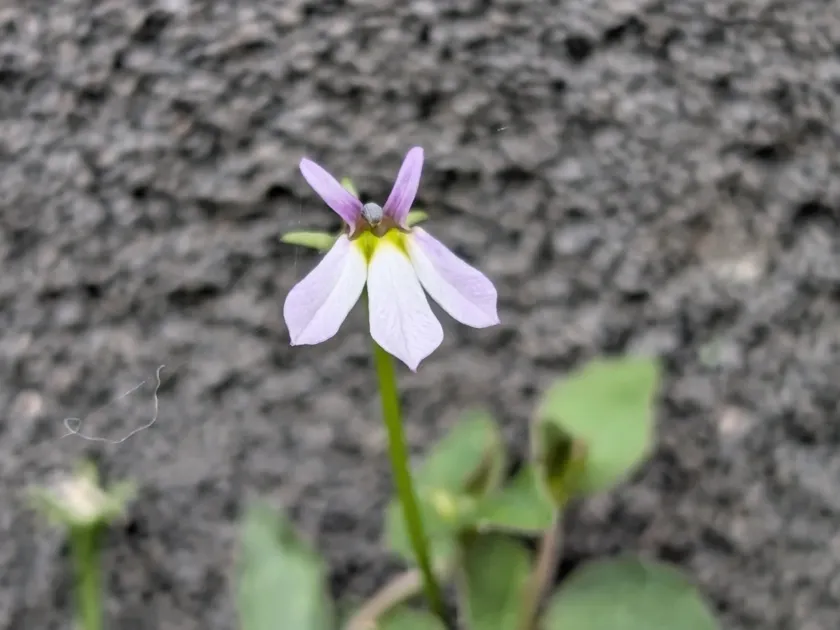
Description
Sowing dates
Sowing Pratia purpurascens seeds should be done in early spring when temperatures remain consistently above 15 degrees Celsius. The seeds are small and require surface sowing to ensure adequate light exposure, which is critical for successful germination.
When starting indoors, use a well-draining seed-starting mix. Maintain high humidity by covering the container with plastic until germination occurs. Once the seedlings develop their first true leaves, they can be transplanted into small pots to strengthen their root systems.
Outdoor planting requires spacing the plants about 15 to 20 centimeters apart. This spacing allows the creeping stems to spread and eventually form a dense, uniform carpet of vegetation, effectively suppressing weed growth in the area.
Direct seeding in autumn is possible in climates with mild winters, as the seeds may benefit from a period of cold stratification. This method often results in more robust plants that begin their growth cycle earlier in the spring season.
Propagation by division is a highly effective alternative to seeding. By splitting an established clump in the spring, gardeners can quickly produce multiple new plants that are already adapted to local garden conditions.
Growing requirements
Pratia purpurascens, a member of the Campanulaceae family, is a herbaceous perennial native to Eastern Australia. It is widely recognized for its creeping habit and ability to thrive in moist, shaded environments.
The plant demands high levels of soil moisture and is naturally found near creeks, swampy areas, or shaded damp banks. It does not tolerate prolonged drought, making consistent irrigation essential for its survival during dry summer months.
For optimal growth, provide a nutrient-rich soil that is slightly acidic to neutral. Adding organic matter, such as compost or peat, can improve moisture retention while ensuring the soil remains light enough for the delicate root system.
While the plant prefers partial shade, it can adapt to brighter areas if the soil is kept sufficiently moist. However, in extreme heat, protecting the foliage from intense midday sun is recommended to prevent wilting.
As a groundcover, it is relatively hardy but benefits from a layer of mulch during winter. Mulching helps regulate soil temperature and keeps the creeping stems insulated against potential freeze-thaw cycles that could heave the plant out of the soil.
Main diseases and pests
Slugs and snails are the most significant pests for Pratia purpurascens, as they are attracted to the lush, moist foliage. Implementing physical barriers like copper tape or using biological control methods can effectively manage these pests.
Powdery mildew may develop if the plants are situated in areas with poor air circulation or high humidity. Pruning overgrown sections and ensuring adequate spacing between plants significantly reduces the risk of fungal outbreaks.
Root rot can be a serious issue, typically resulting from waterlogged conditions. Ensuring excellent soil drainage is the best defense against pathogens like Phytophthora, which thrive in stagnant water environments.
Aphids can occasionally infest the growing tips during the peak of spring. Regular monitoring and the application of insecticidal soaps are usually sufficient to keep aphid populations under control without damaging the plant.
- Slugs and snails
- Powdery mildew
- Root rot
- Aphids