
Pratia nummularia
Pratia nummularia
Description
Growing requirements
Pratia nummularia is a perennial herb belonging to the Campanulaceae family, native to the Himalayas and Southeast Asia. It is a highly valued plant for its dense, creeping growth habit, which allows it to function effectively as a groundcover.
Cultivation requirements for this species include rich, moist, and well-draining soil. It thrives in humid conditions and requires a consistent water supply, making it an excellent choice for damp, shady spots in a garden or greenhouse environment.
The plant prefers partial shade and is susceptible to wilting if exposed to intense, direct sunlight for extended periods. In temperate climates, it acts as a low-spreading mat, often used to fill gaps between stepping stones or as a border for moist beds.
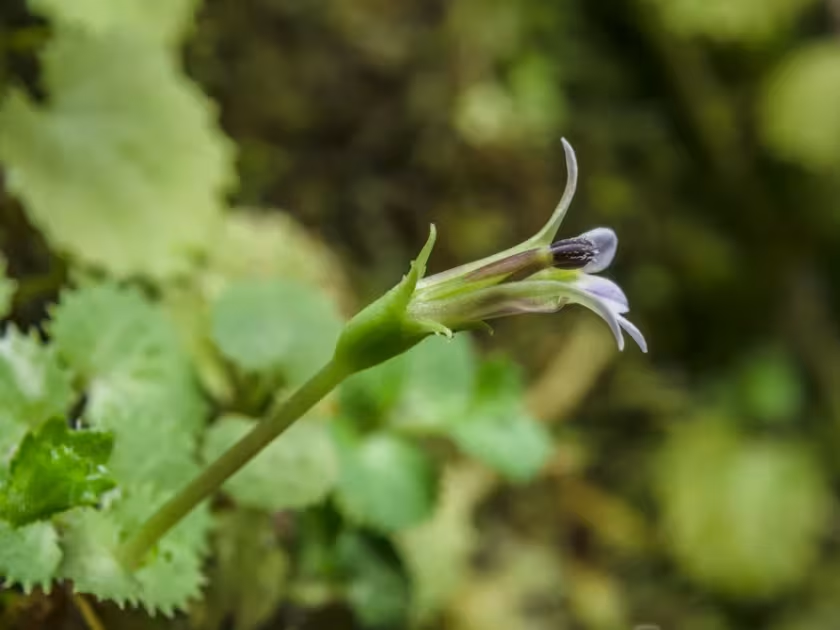
Botanically, it features small, coin-shaped leaves and delicate white to pale blue flowers. The stems spread horizontally, rooting at each node, which allows the plant to expand quickly and form a dense, uniform carpet of vegetation across the substrate.
Its primary agricultural and horticultural application is as an ornamental groundcover or an attractive trailing element in hanging baskets. It serves both aesthetic and functional roles by suppressing weeds and stabilizing topsoil in shaded regions.
Main diseases and pests
The primary disease threat for Pratia nummularia is fungal rot, which typically develops in poorly drained or waterlogged soils. Maintaining good aeration and preventing water stagnation are essential cultural practices for preventing these pathogens.
Slugs and snails are the most significant pest threats, as they are attracted to the plant's soft, succulent foliage. During periods of high humidity, these gastropods can cause substantial damage to the plant's overall architecture and decorative value.
Pest management involves using physical barriers or organic molluscicides to protect the foliage. Monitoring the lower parts of the plant canopy is crucial to detecting pest activity early before it results in structural damage.
Fungal issues should be managed through the application of copper-based fungicides or by correcting the site’s moisture level. Proper spacing during initial planting helps prevent the humidity buildup that leads to the spread of leaf spot diseases.
Overall, healthy plants are fairly resilient if their environmental requirements are met. Ensuring adequate sunlight-to-shade ratio and soil drainage effectively mitigates the risk of both biological stressors and pest infestation.