
Pratia concolor
Pratia concolor
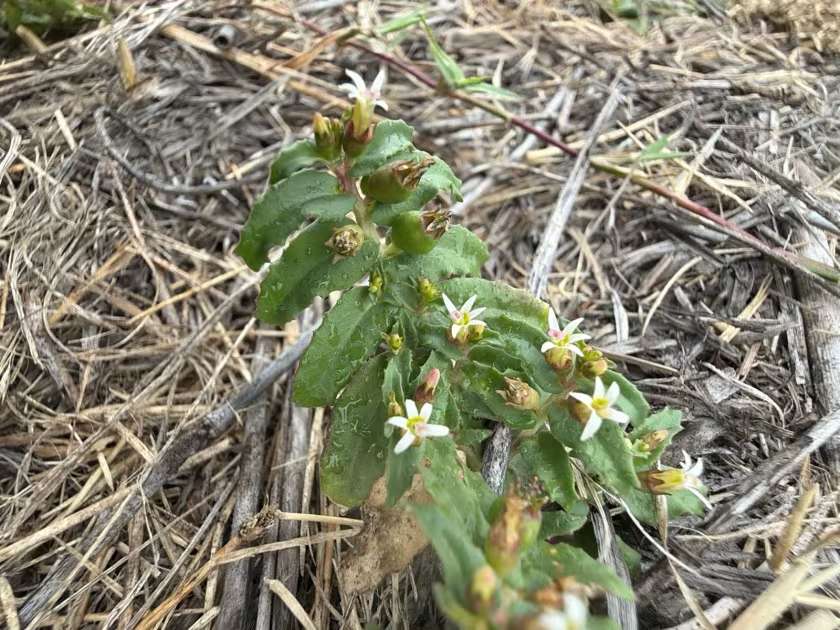
Description
Growing requirements
Pratia concolor is a perennial herbaceous plant belonging to the Campanulaceae family. It is widely recognized as a creeping ground cover that forms dense, uniform mats, making it an excellent candidate for various landscaping and erosion control projects in moist environments.
Originating from Australia, this species is naturally adapted to wetlands and riparian zones. Its native distribution suggests a preference for environments where moisture is consistently available, allowing the plant to thrive in low-lying areas or near water bodies throughout the year.
Cultivation requirements involve fertile, well-draining yet moisture-retentive soils. The plant performs best in organic-rich substrates where it can easily root its sprawling stems into the soil surface, ensuring rapid coverage and a healthy, lush appearance.
Climatic preferences include partial shade and protection from extreme heat. While the species is resilient, prolonged exposure to harsh sunlight can compromise its hydration levels, necessitating consistent moisture management during peak summer temperatures.
Botanically, the plant is characterized by slender stems that root at the nodes. The foliage is generally compact and vibrant green, while the small, distinctively shaped flowers contribute significantly to the plant's ornamental appeal during its active flowering season.
Main diseases and pests
The primary threats to Pratia concolor are fungal pathogens related to over-saturation and poor aeration. Root rot is a common issue if the planting site remains waterlogged for extended periods without adequate drainage, leading to decline and plant loss.
Slugs and snails represent the most significant pest concern, particularly in damp conditions where these mollusks thrive. They can cause substantial damage to the leaves, and physical removal or baiting is often required in agricultural and landscape settings.
Aphids can occasionally colonize young growth during periods of stress. Early detection through regular crop scouting is essential, as their feeding can stunt development and facilitate the transmission of other secondary infections within the patch.
Nutritional imbalances, often resulting from improper fertilization or leached soils, can lead to chlorosis. Maintaining an optimal pH level and ensuring essential micro-elements are available helps the plant maintain its vigor and resistance to environmental stress.
Good cultural practices, such as ensuring adequate spacing and periodic renewal of the planting bed, are essential for maintaining plant health. Avoiding overcrowding helps improve air circulation, which naturally reduces the risk of fungal outbreaks across the canopy.