
Pratia perpusilla
Pratia perpusilla
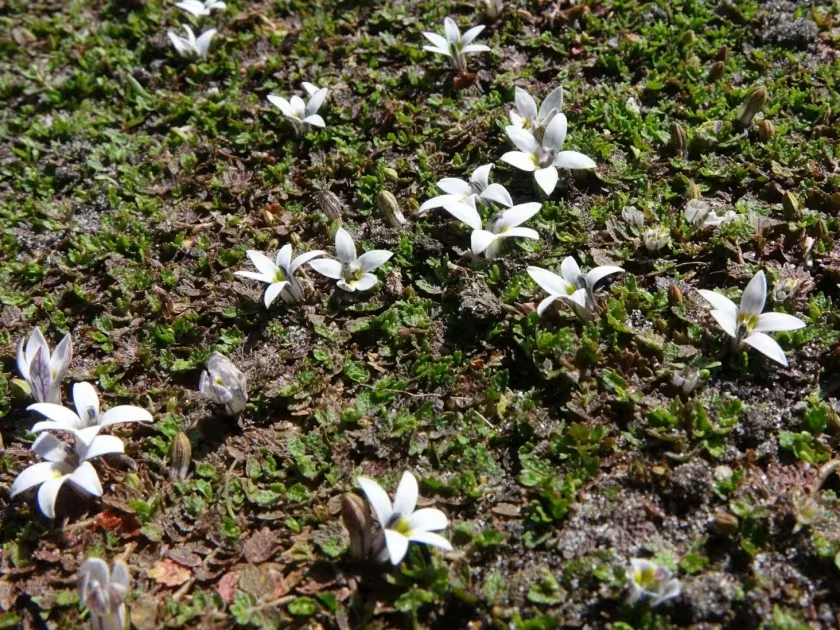
Description
Growing requirements
Pratia perpusilla is a low-growing perennial herb belonging to the Campanulaceae family. Native to the wetlands and riverbanks of New Zealand, this plant has adapted to thrive in moist environments where it forms dense, creeping mats that effectively cover the soil surface.
Botanically, the plant is characterized by its prostrate stems that root at the nodes as they spread across the ground. The leaves are small, rounded, and closely arranged, while the flowers are typically small and white, often showing the delicate structure typical of the bellflower family.
Regarding climate and soil, Pratia perpusilla requires consistently moist, well-draining soil to maintain its vigor. It prefers locations with partial shade, especially in regions with intense summer heat, as excessive direct sun can cause the foliage to desiccate rapidly if irrigation is insufficient.
Agricultural management involves regular moisture monitoring to ensure the soil never dries out completely. While it is relatively low-maintenance, organic mulching or light feeding with a balanced liquid fertilizer during the growing season can promote faster spreading and a denser canopy coverage.
In terms of usage, this plant is a staple in landscape design, specifically for rock gardens, pond edges, and as a low-traffic groundcover. Its ability to create a carpet-like effect makes it highly desirable for creating a natural, soft look in garden beds and decorative outdoor spaces.
Main diseases and pests
The main disease risks for Pratia perpusilla involve fungal infections such as root rot and leaf spot, which are often triggered by stagnant water and poor ventilation. Proper site selection and avoiding overhead watering during cool, damp periods can significantly reduce these risks.
Pest threats primarily include slugs and snails, which find the succulent foliage of this plant particularly appealing. To mitigate damage, it is essential to monitor populations during damp seasons and maintain clean borders around the planting area to discourage these pests from settling.