
Pouzolzia zeylanica
Pouzolzia zeylanica
Description
Growing requirements
Pouzolzia zeylanica is a perennial herbaceous plant belonging to the Urticaceae family. It is native to tropical and subtropical regions of Asia, commonly found in moist habitats such as stream banks, forests, and cultivated fields.
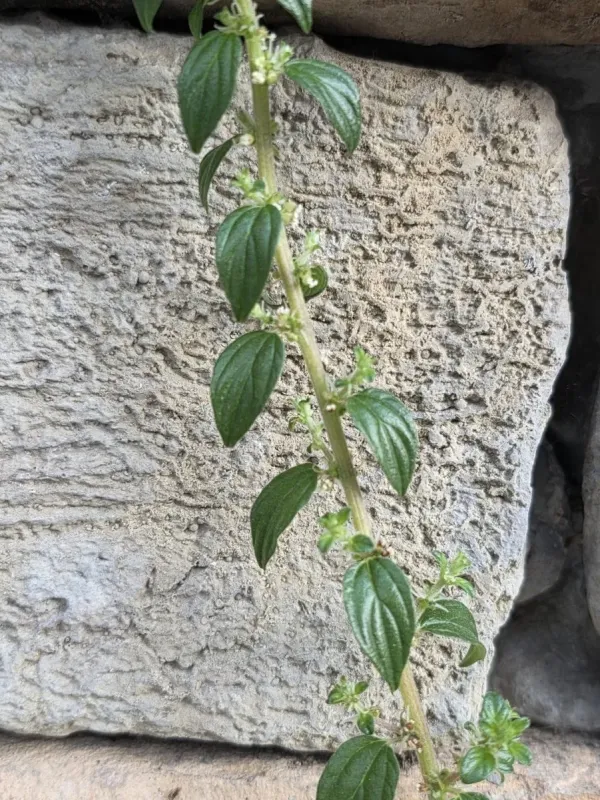
Botanically, the plant is characterized by its trailing or ascending stems that often root at the nodes. Its leaves are opposite, usually ovate, and provide a dense ground cover when grown in optimal conditions, reflecting its natural adaptation to shaded environments.
For successful cultivation, the plant requires high levels of humidity and fertile, well-draining soil. It thrives in partially shaded areas, as intense direct sunlight can stress the plant and inhibit its vegetative growth during the hottest months of the year.
Regarding soil requirements, Pouzolzia zeylanica prefers nutrient-rich substrates with a slightly acidic to neutral pH. Incorporating organic compost before planting helps maintain the soil moisture retention necessary for healthy development.
In agricultural practice, the crop is highly valued for its therapeutic properties. It is extensively used in traditional medicine for its anti-inflammatory, antiseptic, and wound-healing effects, making it a significant plant for both small-scale herbalists and commercial growers.
Main diseases and pests
The primary threats to Pouzolzia zeylanica include fungal pathogens that typically emerge in waterlogged or poorly ventilated soil conditions. Root rot is a common issue if excess moisture is not managed properly through adequate drainage systems.
Pests such as spider mites and leaf-eating insects are known to infest the crop, especially when the plants are grown in overcrowded conditions. Regular field monitoring is essential to detect pest activity before it causes significant yield loss.
Powdery mildew represents another common challenge, particularly during periods of high humidity and moderate temperatures. Increasing the spacing between plants helps improve airflow and reduces the risk of fungal outbreaks across the plantation.
Integrated pest management strategies should focus on preventive measures, including the removal of debris and the use of organic deterrents, to ensure the harvested material remains free of harmful residues.
Maintaining soil health and fertility is equally important, as nutrient-deficient plants are significantly more susceptible to both insect attacks and various foliar diseases throughout the growing season.