
Pouzolzia mixta
Pouzolzia mixta
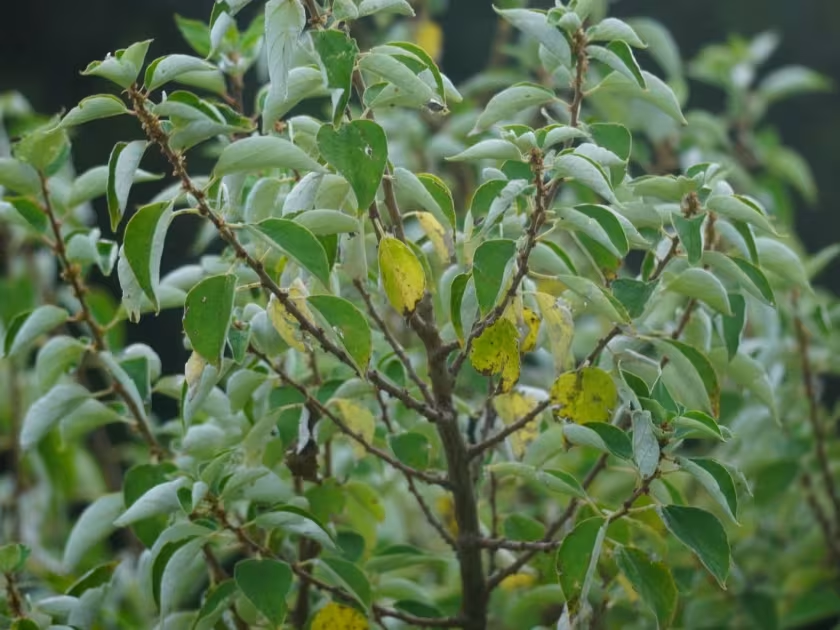
Description
Sowing dates
Pouzolzia mixta is a perennial shrub belonging to the Urticaceae family, recognized primarily for its potential in producing high-quality bast fibers.
Sowing should be performed in a warm, frost-free environment, as the seeds require consistent warmth and moisture to ensure proper germination and establishment.
The selection of a high-quality substrate is vital; it should be rich in organic matter and offer excellent drainage to prevent seed decay during the initial growth phase.
Vegetative propagation via stem cuttings is a highly effective method for commercial plantations, ensuring consistent genetic quality and faster growth rates compared to seeds.
Once established, the seedlings require a consistent watering schedule until they develop a robust root system capable of withstanding minor drought conditions.
Growing requirements
The plant thrives in tropical and subtropical regions, where it benefits from consistent temperatures and adequate rainfall throughout the growing season.
Pouzolzia mixta prefers fertile, well-draining soils with a neutral pH level, which facilitates efficient nutrient uptake and vigorous vegetative growth.
Proper spacing between plants is essential to promote good air circulation, which helps reduce the risk of humidity-related fungal issues in dense plantations.
Although the plant shows resilience to dry spells, optimal biomass production is achieved through supplementary irrigation during the peak development phases.
Organic fertilization is recommended for this crop to maintain long-term soil health and to provide the nitrogen necessary for rapid stem elongation.
Yield
The yield potential of Pouzolzia mixta is primarily measured by the volume and quality of bast fiber extracted from its mature stems.
Productivity is significantly enhanced by nitrogen-rich inputs and consistent environmental conditions that prevent growth stagnation during the vegetative cycle.
Strategic pruning of secondary branches can concentrate energy into the primary stems, potentially increasing the overall yield of high-quality fiber per hectare.
The crop cycle is designed to maximize fiber length, with harvests timed precisely before the plant shifts its energy entirely toward seed production.
Continuous monitoring of crop health and nutrition can lead to multi-year productivity, making this plant an efficient choice for sustainable farming.
Main diseases and pests
Common agricultural pests such as spider mites and aphids are known to feed on the tender foliage, potentially weakening the plant and reducing biomass.
Root rot caused by stagnant water or poor soil drainage remains one of the most critical threats to the stability and longevity of the plantation.
Fungal diseases like powdery mildew may arise during periods of extreme humidity and insufficient air movement within the plant canopy.
Integrated pest management strategies are recommended, including the use of environmentally friendly biological controls to protect the crop's integrity.
Effective weed management is essential during the early stages of growth to prevent resource competition that could stunt the plant's development.
Harvesting
Harvesting is traditionally performed at the onset of the flowering stage, which marks the peak period for both fiber quantity and structural integrity.
Manual or mechanized cutting should be done with care to ensure the stems remain intact, facilitating the subsequent extraction of fibers from the bark.
Post-harvest processing involves decortication or retting, depending on the desired fiber quality, to remove non-fibrous materials from the stems.
Proper drying of the fiber in a shaded, well-ventilated area is crucial to prevent discoloration and maintain the mechanical strength of the end product.
Waste materials from the harvesting process can be repurposed for composting, completing the nutrient cycle and returning organic matter to the soil.