
Pouzolzia bennettiana
Pouzolzia bennettiana
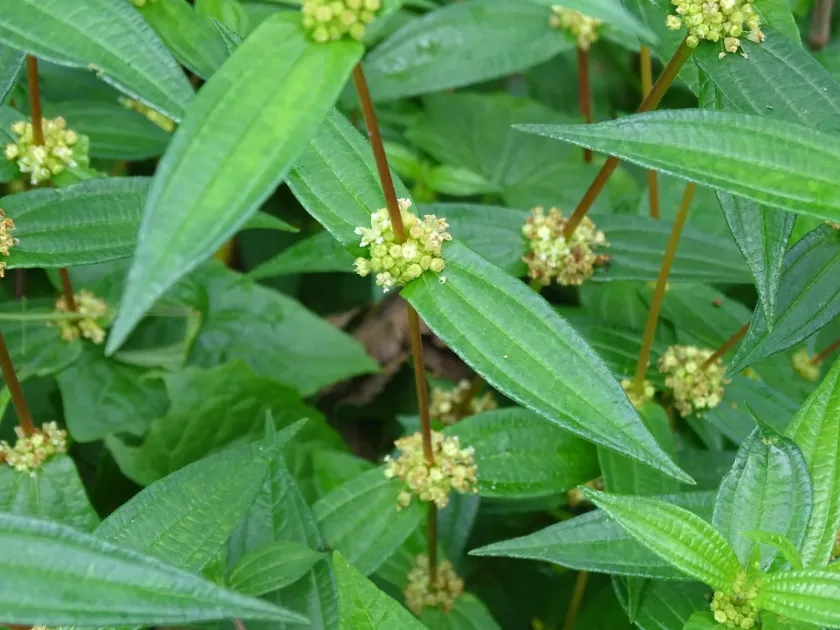
Description
Growing requirements
Pouzolzia bennettiana is a perennial herbaceous plant belonging to the Urticaceae family. Originally native to tropical regions of Asia, it has been traditionally utilized for its structural fibers and botanical properties.
The plant thrives in humid environments with mild temperatures. It requires a stable climate and performs best in partially shaded locations, which mimic its natural forest habitat while protecting the foliage from excessive heat and direct light.
Soil quality is paramount for this species. It demands well-drained, nutrient-rich soil with a slightly acidic to neutral pH. Proper soil structure ensures that roots can breathe and access necessary minerals throughout the growing season.
Consistent moisture levels are critical. While the plant is adapted to tropical environments, it cannot withstand waterlogging. Providing a balanced irrigation system that maintains a moist root zone without flooding is essential for robust growth.
Regular maintenance involves keeping the area free of weeds that compete for light and nutrients. Organic mulching is recommended to stabilize soil moisture levels and provide slow-release nutrients to the developing crop.
Main diseases and pests
Root rot caused by stagnant water and pathogens is the primary threat to Pouzolzia bennettiana. It is crucial to ensure excellent drainage systems to prevent the accumulation of moisture, which encourages the development of soil-borne fungi.
Insect pests, particularly aphids and spider mites, pose significant challenges to the plant's health. These pests feed on the soft tissues of the stems and leaves, causing substantial yield losses if not identified and treated early.
Powdery mildew can occur in areas with poor ventilation and high humidity. Improving airflow around the plants and avoiding overhead watering can significantly reduce the risk of such fungal infections.
Integrated Pest Management (IPM) is the most effective way to handle threats. This includes using beneficial insects to control pest populations and applying targeted, biological control agents instead of broad-spectrum pesticides.
Frequent field scouting is advised to ensure any signs of disease are caught early. Removing and disposing of infected plant material prevents the spread of pathogens to healthy neighboring plants, protecting the overall yield.