
Pouzolzia pentandra
Pouzolzia pentandra
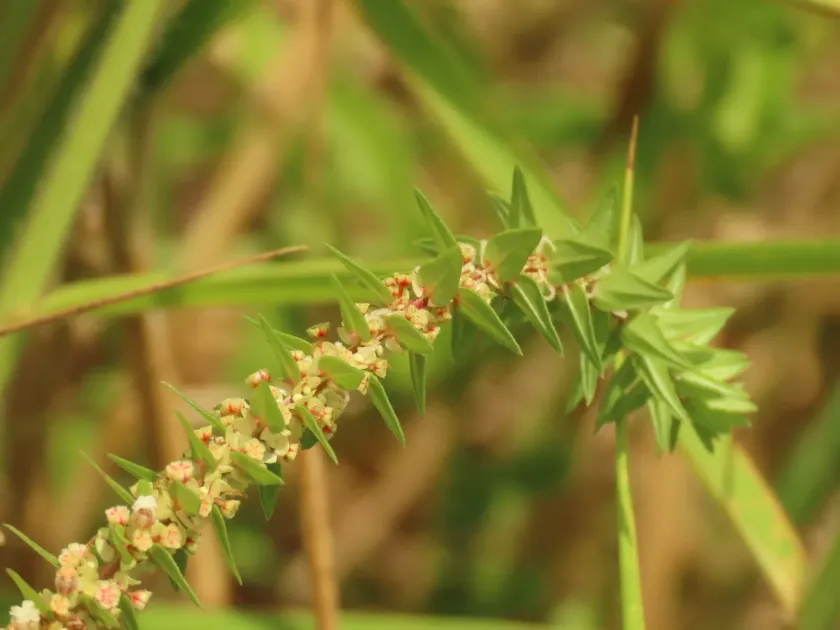
Description
Growing requirements
Pouzolzia pentandra is a perennial herbaceous plant belonging to the Urticaceae family. It is native to tropical and subtropical regions of Asia, where it typically thrives in humid, shaded environments such as forest floors or riverbanks.
The crop requires fertile, well-draining soil that is rich in organic matter. While it prefers consistent moisture, it is sensitive to waterlogging, which can lead to the rapid decline of its root system.
In terms of light, this plant prefers filtered light or partial shade. Exposure to intense, direct sunlight often results in chlorosis and foliage damage. Stable temperatures are essential, as the plant does not tolerate frost or extreme thermal fluctuations.
Good agricultural practice for this plant includes maintaining high humidity levels. In greenhouse conditions, proper ventilation is critical to manage temperature and prevent excessive moisture that favors fungal growth.
Economically, the plant is utilized for its fibrous stems, which possess considerable tensile strength. Furthermore, it is a recognized species in traditional ethnobotany, valued for its medicinal applications in various regional practices.
Main diseases and pests
Fungal diseases represent the most significant threat to Pouzolzia pentandra, especially powdery mildew, which spreads quickly in stagnant air. Root rot is another common issue linked to poor drainage or overwatering.
Aphids and spider mites are the primary insect pests affecting the crop. These pests congregate on the underside of leaves, causing structural damage and hindering photosynthetic activity, which leads to reduced yields.
Control strategies for pests and diseases rely heavily on integrated pest management (IPM) practices. This includes monitoring for early signs of infestation and using biological control agents whenever possible to minimize chemical usage.
Snails and slugs can cause localized damage to seedlings and tender shoots, particularly during wet weather. Using physical barriers or bait traps is standard procedure for protecting young plants in the nursery phase.
Soil-borne nematodes can also pose a risk if the plant is grown continuously on the same plot. Implementing a strict crop rotation schedule helps maintain soil health and prevents the buildup of these harmful pathogens.