
Polyspora
Polyspora
Polyspora is a genus of evergreen trees and shrubs belonging to the Theaceae family. Historically, species within this genus were often grouped under the genus Camellia, but recent taxonomic revisions have established them as a distinct genus based on specific morphological traits of their fruits and seeds.
What the section contains


Polyspora
The native distribution of these plants covers various regions of Southeast Asia, including Vietnam, China, and the Malay Archipelago. They naturally inhabit high-altitude forest ecosystems where the climate is characterized by high humidity, mild temperatures, and consistent rainfall patterns throughout the year.
Cultivation requires soils with a low pH value (acidic) that are rich in organic matter and possess excellent drainage properties. Polyspora cannot survive in waterlogged conditions, so it is essential to ensure that the root system is protected from stagnant water, which can quickly lead to decay.
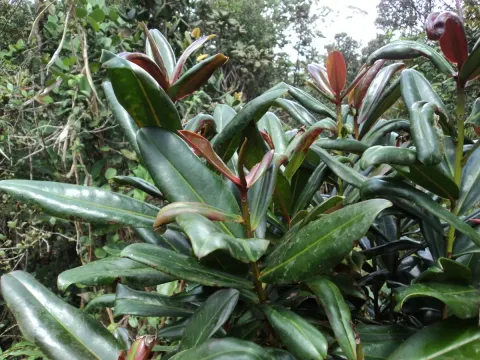
Botanically, the plant is valued for its dense, glossy foliage and large, showy flowers that serve as a significant ornamental feature in gardens and conservatory landscapes. The growth rate is typically moderate, and the plant requires sufficient space to develop its characteristic branching structure.
Successful management of Polyspora involves regular irrigation using soft, non-alkaline water. It is recommended to apply fertilizers specifically formulated for acid-loving plants to maintain optimal nutrient levels and support healthy, vigorous growth during the primary vegetation season.
Root rot is the most common threat to the health of Polyspora when cultivated in containers or poorly drained soil. Maintaining high standards of hygiene and using high-quality substrate significantly reduces the likelihood of fungal infections affecting the roots.
Pest issues primarily involve scale insects and mealybugs, which can cause significant damage to young shoots and leaves. Integrated pest management, including regular visual inspection and the application of appropriate horticultural oils or systemic pesticides, is necessary for maintaining plant vitality.