
Polycarpon succulentum
Polycarpon succulentum
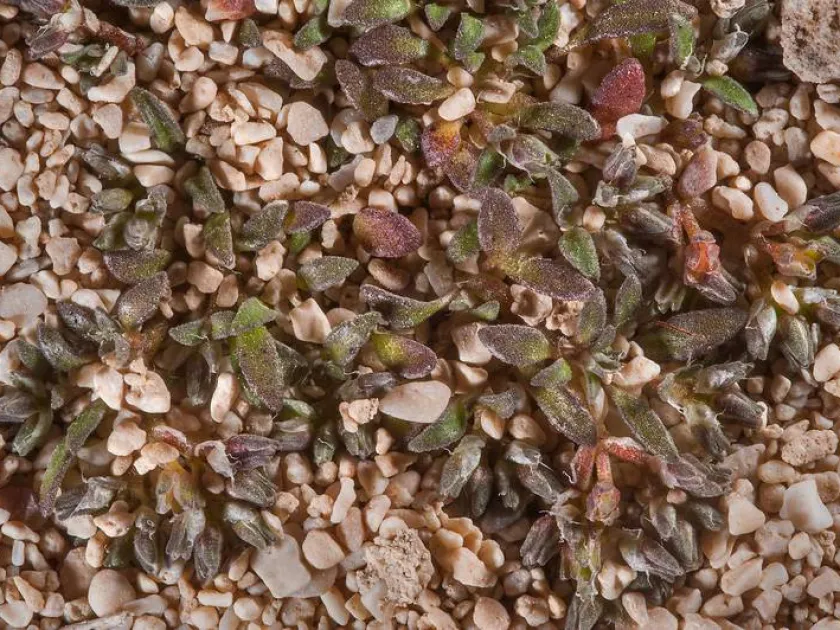
Description
Growing requirements
Polycarpon succulentum is a distinctive species within the Caryophyllaceae family. As its name suggests, it exhibits succulent characteristics, allowing it to store moisture in its stems and leaves, which is a critical adaptation for survival in arid environments.
The plant originates from regions characterized by extreme environmental conditions, often thriving in saline or sandy soils. Its physiological makeup is highly efficient at water retention, which allows the plant to maintain metabolic functions despite prolonged periods of drought.
Botanically, the species is compact and resilient. The roots are adapted to penetrate deeper soil layers to reach residual moisture. The plant structure is designed to minimize surface area exposure to intense sun, reducing transpiration rates during the hottest parts of the day.
Cultivation requirements necessitate well-drained, porous soils. Heavy clay soils that retain excessive moisture should be avoided, as the plant is highly susceptible to root damage in stagnant water conditions. Full sunlight exposure is mandatory for optimal development.
Agricultural use is primarily focused on soil conservation. In arid zones where conventional crops fail, Polycarpon succulentum can serve as an effective ground cover, helping to prevent wind erosion and stabilizing the soil structure in marginal or degraded lands.
Main diseases and pests
The primary agronomic threats include root and collar rot diseases caused by soil-borne fungi. These pathogens are most active when soil moisture levels exceed the plant's tolerance threshold, making irrigation management the most critical task for the farmer.
Pest pressure is mainly attributed to sap-sucking insects like aphids. These pests not only weaken the plant by consuming its juices but can also act as vectors for various plant viruses, which can lead to significant yield or ground cover loss if left untreated.
To mitigate these threats, strict moisture management is essential. Ensuring that soil dries out sufficiently between watering cycles prevents the conditions necessary for fungal spore germination and development.
Integrated pest management strategies should focus on scouting and early intervention. Utilizing beneficial insects that prey on aphids can naturally keep populations in check without the need for systemic chemical pesticides, which may harm the local environment.
Good agricultural practices also include proper sanitation, such as the removal of dead or decaying plant matter. By maintaining a clean field environment, farmers can significantly reduce the potential for fungal buildup and the overwintering of harmful insect populations.