
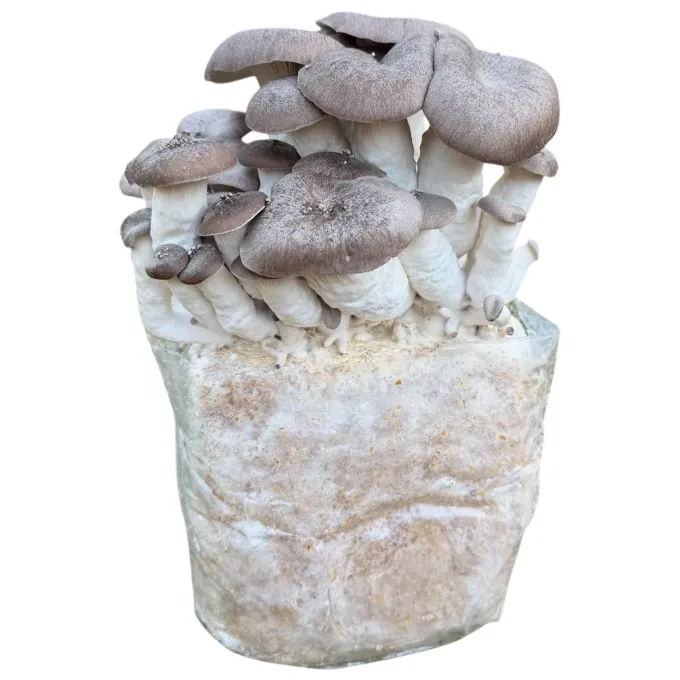
Pleurotus ostreatus x Pleurotus eryngii hybrid
Pleurotus ostreatus x Pleurotus eryngii
Description
Sowing dates
Cultivation of this hybrid begins with the preparation of high-quality spawn, which is inoculated into a pasteurized or sterilized substrate. Maintaining sterile conditions during inoculation is paramount to prevent competition from contaminants.
The incubation period requires a stable temperature range of 20 to 24 degrees Celsius. During this phase, the mycelium colonizes the substrate, turning it into a solid, white block, which typically takes two to three weeks.
Proper spawn run management is critical for the future yield. The blocks should be stored in a dark, clean area with minimal airflow until they are fully colonized by the fungal mycelium.
Once colonization is complete, the blocks are transferred to a fruiting chamber where the conditions are modified. This transition involves a cold shock combined with increased humidity to stimulate the formation of primordia.
Genetic stability is essential in hybrid cultivation, so it is recommended to source spawn only from reputable laboratories that specialize in Pleurotus strains.
Growing requirements
Belonging to the Pleurotaceae family, this hybrid thrives on cellulose-rich substrates. Wheat straw, sunflower seed hulls, or hardwood sawdust are considered the most effective materials for creating productive substrate blocks.
Humidity management is vital, with an ideal relative humidity of 85–90 percent. Consistent moisture is necessary to ensure the development of fleshy, well-formed fruit bodies that meet market standards.
Ventilation is a key factor, as this hybrid is sensitive to carbon dioxide accumulation. Inadequate airflow results in long, thin stems and small caps, which significantly reduces the quality of the harvest.
The temperature during the fruiting stage should be maintained between 14 and 17 degrees Celsius. These moderate conditions mimic natural environments, promoting optimal growth and texture for the mushrooms.
Lighting should be provided for 8 to 12 hours daily, using LEDs to avoid excessive heat output. Diffused light helps in the proper morphological development of the oyster mushroom caps.
Yield
This hybrid is known for its high biological efficiency, potentially reaching 25–35 percent of the dry substrate weight. Consistent climate control is the primary driver for achieving these yield levels.
The mushroom grows in "flushes," with the first flush usually being the most productive. Proper rehydration and management of the substrate blocks between flushes allow for multiple harvests over a three-month period.
The fruit bodies of this hybrid are generally denser than those of common oyster mushrooms. This density contributes to a better shelf life and superior transportability, making them ideal for commercial distribution.
Monitoring the surface of the blocks after each flush is crucial to remove dead tissue, which otherwise could harbor infections. Properly cleaned blocks have a higher chance of producing subsequent bountiful crops.
Some growers incorporate nitrogen-based supplements to increase yield, but this must be done with caution. Excessive nitrogen can lead to substrate overheating and encourage the growth of unwanted mold species.
Main diseases and pests
Trichoderma and other green molds are the most common contaminants in mushroom cultivation. They typically occur due to incomplete pasteurization or poor sanitation practices within the facility.
Bacterial blotch, caused by Pseudomonas tolaasii, can occur when there is excessive condensation on the mushroom caps. Improving airflow and humidity regulation is the primary method to combat this condition.
Pests like sciarid flies and mites are significant threats as they serve as vectors for fungal pathogens. Installing screens on air intakes and maintaining strict cleaning protocols helps keep these populations in check.
Improper temperature control during the incubation phase can lead to Mucor growth. These rapidly spreading molds can easily ruin substrate blocks if the temperature rises above the recommended limits.
Early identification of infected blocks is essential for the health of the entire crop. Isolate and remove any suspicious blocks immediately to prevent spores from spreading throughout the fruiting chamber.
Harvesting
Harvesting is performed by grasping the base of the mushroom cluster and twisting it off the substrate. It is important to remove the entire cluster without leaving debris that could decay and invite contamination.
The ideal time for harvesting is just before the caps start to flatten and release spores. Harvesting at this stage ensures the best flavor, texture, and visual appeal for the final product.
Post-harvest handling requires quick cooling to slow down the mushrooms' metabolic activity. Refrigerated storage at 2–4 degrees Celsius helps maintain freshness for up to a week.
Packaging should allow for gas exchange to prevent condensation inside the containers, which would lead to rapid decay. Proper packaging is a key component of a high-quality retail presentation.
Records of yield and harvest timing can help growers optimize their future production cycles. Consistent data collection is a hallmark of successful professional mushroom farming.