
Pleurotus nebrodensis
Pleurotus nebrodensis (Inzenga) Quél.
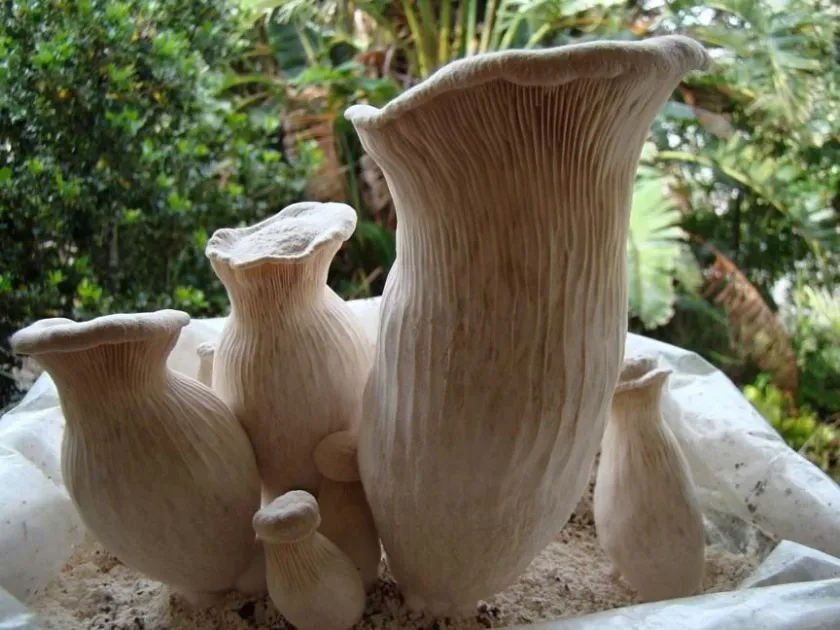
Description
Sowing dates
Pleurotus nebrodensis, commonly referred to as the Nebrodi mushroom, is a highly prized member of the Pleurotaceae family. Cultivating this species requires specialized knowledge, as it is a rare endemic fungus originally found in the mountainous regions of Sicily, adapted to unique environmental conditions.
The cultivation process begins with the preparation of a sterile substrate, typically based on high-quality wheat straw or hardwood sawdust. The purity and vitality of the spawn are critical factors, as this species is more demanding and sensitive to environmental fluctuations than common commercial oyster mushrooms.
Inoculated substrate blocks are incubated in climate-controlled rooms where precise temperature and humidity levels must be maintained. The incubation phase usually lasts several weeks, during which the mycelium fully colonizes the substrate to form a compact network.
Successful cultivation relies on simulating natural mountain conditions, including specific temperature drops to trigger pinning. Maintaining a high level of hygiene during the spawn run is essential to prevent contamination by aggressive molds that compete with the slow-growing mycelium.
The grower must carefully monitor the colonization progress, ensuring that the environmental parameters remain stable. Providing proper aeration during this stage is vital for the development of a healthy and vigorous mycelial mat capable of supporting high-quality fruiting bodies.
Growing requirements
The species has strict temperature requirements; for optimal growth and fruit body formation, temperatures between 10 and 16 degrees Celsius are ideal. Exceeding these ranges often leads to poor development and a significant decrease in the quality of the mushrooms.
Humidity levels should be maintained consistently between 85% and 90%. While high humidity is necessary for growth, it is crucial to avoid stagnant water on the mushroom caps, which can invite bacterial soft rot and other opportunistic infections.
Light exposure plays a fundamental role in the morphology of the fungus. Diffused light for 10-12 hours per day helps prevent the elongation of the stems, ensuring the growth of well-formed, compact, and high-value caps that meet premium market standards.
Ventilation systems must provide a continuous supply of fresh air to keep carbon dioxide levels low. High CO2 concentrations inhibit proper development and force the mushrooms to grow unnaturally long stems, which significantly detracts from their commercial appeal.
The substrate composition must have a near-neutral pH, reflecting the calcareous soils of the mushroom’s original habitat. Proper balancing of nutrients and mineral content is necessary to support the metabolic requirements of this unique species during its growth cycle.
Yield
Yield expectations for Pleurotus nebrodensis are modest compared to mass-produced oyster mushroom varieties. A well-managed substrate block typically produces about 20-30% of its weight in fresh mushrooms, reflecting the species' high gourmet value and rarity.
Productivity is highly dependent on the precision of the microclimate control during each fruiting wave. The first flush is generally the most productive and consistent, providing the best quality specimens that are highly sought after by top-tier restaurants.
While nutrient supplementation can boost yields, it must be handled with extreme caution. Over-supplementation often results in overheating the substrate blocks, which can lead to mycelial decline and a complete loss of the production cycle.
Consistent results are achieved through iterative testing of substrate recipes and environmental parameters. Each production cycle requires careful observation, as even minor adjustments in airflow or humidity can lead to significant differences in final harvest outcomes.
The economic value of this mushroom is driven by its exclusivity and culinary demand. Because it is considered a luxury item, the cultivation remains profitable even with lower absolute yields compared to standard commercial fungi, provided the target market is correctly identified.
Main diseases and pests
Bacterial diseases are among the most significant threats, often presenting as discoloration or tissue softening. These issues are almost always caused by poor hygiene, high moisture levels, and inadequate ventilation during the fruiting phase.
Green mold, specifically Trichoderma, is a constant danger during the incubation period. If the substrate pasteurization process is insufficient, these pathogens can quickly overwhelm the mycelium, leading to the total loss of the contaminated production blocks.
Fungus gnats (sciarids) can cause extensive damage by laying eggs in the substrate. The resulting larvae feed on the developing mycelium and the young mushrooms, necessitating the use of fine mesh screens and regular monitoring to prevent infestations.
Mites are another potential pest, capable of consuming mycelium and causing structural damage. Strict adherence to sterilization protocols for all equipment and facilities is the only effective way to prevent the introduction and spread of these microscopic pests.
Preventing disease requires a holistic approach, emphasizing clean-room protocols and automated climate management. Regular sanitation cycles between batches are mandatory to keep the environment free from pathogen build-up and ensure long-term production success.
Harvesting
Harvesting should be performed manually just as the mushroom caps reach their peak size and before the gills start to open fully. Timely collection is essential to preserve the firm texture and delicate flavor that characterize this gourmet species.
The mushrooms must be cut carefully at the base, ensuring no large fragments of the substrate remain on the stem. A clean harvest promotes a quicker recovery for the mycelium, which is crucial for subsequent production waves.
Immediately after harvest, the mushrooms should be transferred to a cooling facility to slow down metabolic processes. Proper temperature management is key to maintaining the structural integrity and aesthetic appeal of the mushrooms until they reach the consumer.
Sorting is an essential step, where any bruised or malformed specimens are removed to maintain the premium quality of the harvested batch. This ensures that the final product adheres to the highest culinary standards required by specialized gourmet markets.
Packaging solutions should allow for minimal gas exchange, protecting the mushrooms from moisture accumulation while preventing dehydration. Breathable plastic containers or specialized wraps help keep the mushrooms fresh and extend their shelf life significantly.