
Giant Oyster
Pleurotus giganteus (Berk.) Karun. & K.D. Hyde
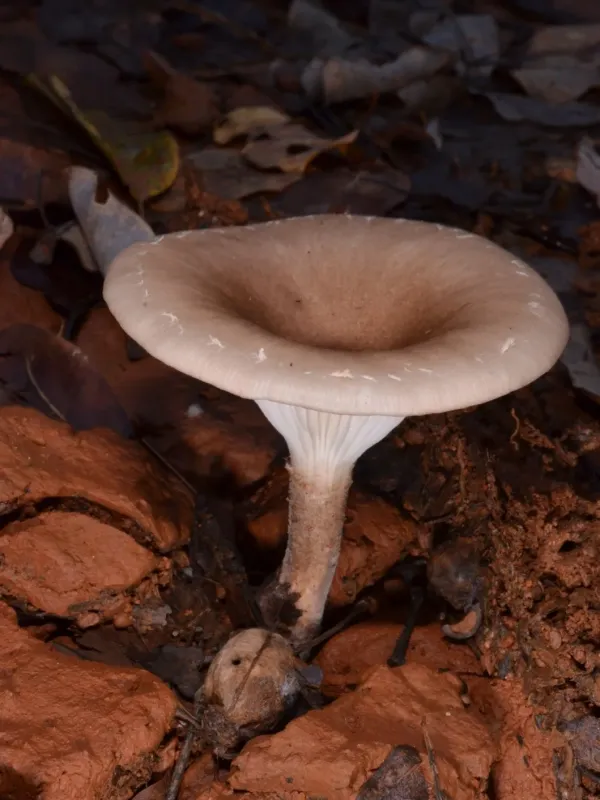
Description
Sowing dates
The Giant Oyster mushroom (Pleurotus giganteus, also referred to as Macrocybe gigantea) requires precise inoculation techniques for successful cultivation. The process begins with the preparation of a nutrient-rich substrate, which is typically composed of cereal straw, cotton seed hulls, or hardwood sawdust.
The substrate must undergo thorough pasteurization or sterilization to eliminate competing microorganisms before inoculation with high-quality grain spawn. Maintaining a clean environment during the spawn run is essential for healthy development.
The incubation period requires stable temperatures, ideally between 25°C and 30°C. During this phase, the mycelium colonizes the substrate, forming a dense white network that indicates readiness for the fruiting stage.
Moisture control is paramount during the sowing stage. The substrate moisture content should be maintained at roughly 60–65%, providing enough water for the fungal enzymes to break down lignocellulosic materials effectively.
Professional growers often use automated climate-controlled rooms to ensure consistent results, as this species is particularly sensitive to sudden environmental fluctuations during the early growth stages.
Growing requirements
Belonging to the family Tricholomataceae, this mushroom is native to tropical and subtropical regions. It thrives in environments with high humidity and consistent temperatures, making it suitable for indoor farming in controlled settings.
For optimal fruiting, relative humidity must be kept between 85% and 90%. High humidity prevents the mushroom caps from cracking and ensures the development of large, fleshy fruiting bodies that characterize this variety.
Adequate ventilation is necessary to prevent the accumulation of CO2, which can negatively impact the shape and growth rate of the mushrooms. Proper airflow helps regulate the microclimate around the developing fruit bodies.
While direct sunlight is not required, diffuse light is beneficial for the proper formation of caps. Exposure to light acts as a trigger for the transition from the vegetative mycelium phase to the reproductive fruiting phase.
The pH levels of the substrate should be monitored periodically. A slightly acidic to neutral range is typically preferred by this species, which allows it to outcompete potential contaminants in the growing blocks.
Yield
The yield of the Giant Oyster mushroom is highly dependent on the quality of the substrate and the environmental control of the grow room. Efficient management can result in a significant biological efficiency ratio, producing substantial clusters.
Harvesting usually occurs in distinct waves. Proper scheduling of water misting and temperature adjustments between these waves encourages subsequent flushes, maximizing the total output per substrate block.
The weight and size of the mushrooms make this species highly productive compared to smaller oyster mushroom variants. Growers often aim for larger, thicker caps, which command higher prices in the fresh produce market.
Sustainability in production is enhanced by using agricultural waste products. After the harvest is complete, the spent substrate serves as an excellent soil amendment, contributing to a circular agricultural model.
Monitoring the growth cycle allows farmers to predict peak harvest times, enabling more efficient logistics and market distribution of the fresh fungal crop.
Main diseases and pests
Fungal contaminants such as Trichoderma species pose the greatest threat to Giant Oyster cultivation. These molds can rapidly colonize the substrate if the pasteurization process is incomplete or if environmental conditions favor contamination.
Bacterial blotch is another major concern, often caused by high humidity combined with poor ventilation. This condition manifests as dark, slimy spots on the caps, rendering the crop unsalable.
Fungus gnats and mites are the most common pests. They feed on the mycelium and developing fruit bodies, often introducing spores of harmful pathogens that can devastate an entire crop cycle if not addressed.
Effective pest management involves strict sanitation practices, including the use of fly screens and regular disinfection of equipment. Biological control methods are preferred over chemical treatments to ensure food safety.
Maintaining a clean workspace and removing dead plant or fungal matter promptly prevents the establishment of pest populations in the facility.
Harvesting
Harvesting takes place when the cap is fully expanded but before the edges begin to curl upwards. Harvesting at this specific stage ensures the best texture, flavor, and shelf-life for the end consumer.
Careful cutting at the base is required to keep the substrate block intact. Removing debris and trimming the stems ensures the product meets high-quality standards for fresh market presentation.
Post-harvest cooling is critical to maintain freshness. Storing the mushrooms at 2°C to 4°C immediately after harvest reduces respiration rates and preserves the firm texture of the Giant Oyster.
Packaging should allow for gas exchange, typically using perforated containers, to prevent condensation and subsequent bacterial decay during storage and transport.
The Giant Oyster is highly versatile in culinary applications, making it a valuable addition to any commercial mushroom farm's product line if harvested and handled with proper care.