
Pieris phillyreifolia
Pieris phillyreifolia
Description
Growing requirements
Pieris phillyreifolia belongs to the Ericaceae family. This unique evergreen shrub is native to the southeastern United States, primarily inhabiting the swampy terrains and pine forests of Florida and Georgia, displaying distinct ecological adaptations.
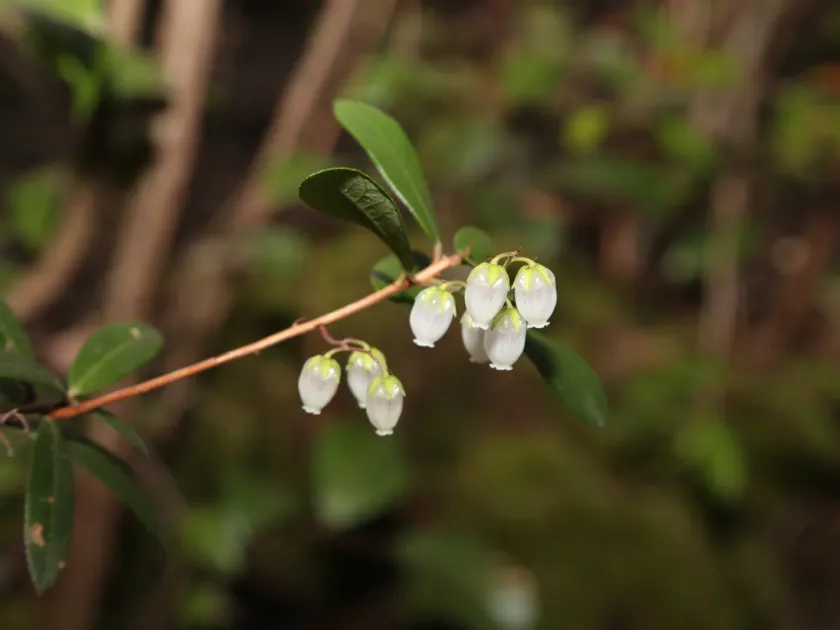
Botanically, this species is noted for its ability to grow epiphytically, with stems often developing within the bark of cypress trees to reach sunlight. The plant features leathery leaves, resembling those of Phillyrea, and produces attractive, drooping racemes that enhance its aesthetic value in landscape design.
Successful cultivation requires acidic, well-drained soil rich in organic matter. While the plant is adapted to moist natural environments, it does not tolerate waterlogging in garden settings; thus, a high-quality substrate containing peat and conifer needles is essential for root health.
Climatic requirements include protection from intense direct midday sun and strong winds. Pieris thrives in partial shade with consistent atmospheric humidity, making it an excellent candidate for sheltered gardens, protected courtyards, or greenhouses in temperate climate zones.
Agronomic management involves regular mulching to maintain soil acidity and prevent root zone overheating. Using soft, lime-free water for irrigation is a critical requirement, as the species is highly sensitive to soil pH fluctuations and mineral salt accumulation.
Main diseases and pests
The primary threats to Pieris phillyreifolia include fungal pathogens, such as Phytophthora root rot and powdery mildew, which often develop due to improper moisture management or poor air circulation. Preventing water saturation in the growing medium is vital to avoid root decay.
Common pests include spider mites and leaf rollers, which can severely damage young foliage during dry spells. Regular inspections of the leaf undersides are recommended, with the application of appropriate acaricides or integrated pest management strategies if an infestation is detected.