
Pieris nana
Pieris nana
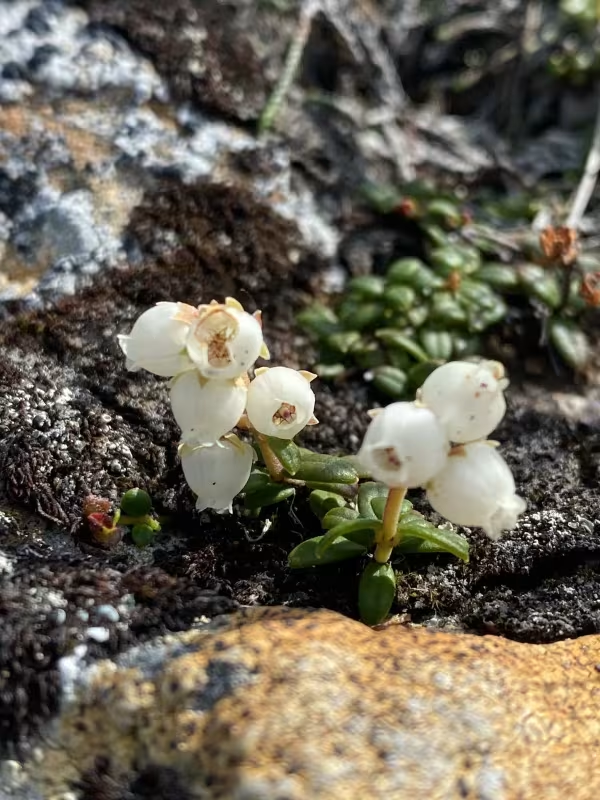
Description
Growing requirements
Pieris nana, commonly known as dwarf pieris, belongs to the Ericaceae family. This evergreen shrub is characterized by its compact growth habit and thrives in regions that mimic its native Asian environments.
The plant requires acidic, well-draining soil with a pH ranging from 4.5 to 5.5. It is essential to avoid calcareous substrates, which inhibit nutrient uptake and lead to chlorosis of the foliage.
Cultural conditions demand a site with partial shade, as the shrub is sensitive to direct, harsh sunlight which can scorch its evergreen leaves, especially during the cold winter months.
Maintaining high humidity and consistent soil moisture is crucial. The use of organic mulch, such as pine needles or peat, helps to retain soil moisture and stabilizes soil temperatures.
Due to its slow growth rate, Pieris nana is typically managed in controlled landscapes or rock gardens where environmental conditions can be precisely monitored to ensure optimal development.
Main diseases and pests
The primary pests affecting Pieris nana are spider mites, which often proliferate in low-humidity environments, leading to leaf discoloration and gradual decline of the plant health.
Scale insects represent another significant threat, as they attach to the stems and leaves, feeding on plant sap and potentially transmitting viral or fungal infections.
Fungal leaf spot diseases are common, appearing as dark patches on the foliage. These are generally exacerbated by poor air circulation and excessive moisture on the leaves.
Root rot, specifically caused by Phytophthora species, is a critical risk in poorly drained soils. Once established, this pathogen is difficult to control and often fatal.
Effective management involves preventive pruning for airflow, proper irrigation management to avoid waterlogging, and periodic application of appropriate pesticides and fungicides.