
Phygelius x rectus
Phygelius x rectus Coombs
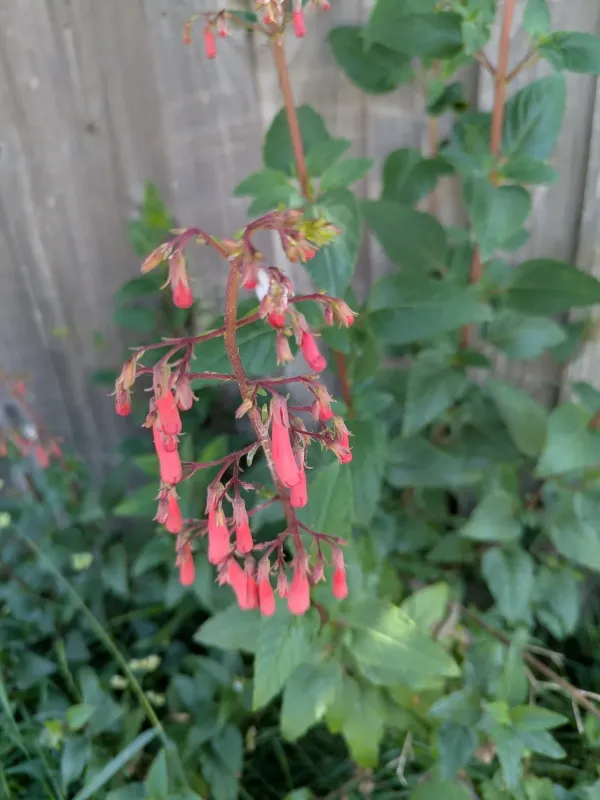
Description
Sowing dates
Propagation of Phygelius x rectus can be achieved through seeds or vegetative cuttings. Seeds should be sown in late winter or early spring in a well-draining, sterile seed-starting mix.
Maintain a stable temperature of approximately 20 degrees Celsius to ensure successful germination. Covering the container with plastic wrap can help maintain humidity until the seeds sprout.
Once the seedlings develop two sets of true leaves, they should be pricked out into individual pots. Gradual hardening off is essential before transplanting them into the garden setting.
Cuttings represent the most reliable way to maintain the specific hybrid characteristics. Semi-hardwood cuttings taken in late summer root best in a mixture of perlite and peat moss.
When transplanting into the garden, ensure the danger of frost has passed. Space the plants adequately to allow for their future growth, typically around 50 cm apart from one another.
Growing requirements
Phygelius x rectus belongs to the Scrophulariaceae family and is commonly known as a hybrid Cape fuchsia. It is a sub-shrub prized for its elegant, tubular flowers that bloom in clusters.
The plant thrives in sunny locations with shelter from strong, drying winds. While it tolerates partial shade, full sun promotes the most prolific flowering and a sturdier, upright growth habit.
Soil requirements involve a rich, well-draining medium. Adding organic compost to the planting site helps improve moisture retention while ensuring that water does not sit around the roots.
Watering must be consistent during the active growing season. The soil should be kept moist but never waterlogged, as excessive dampness in the root zone can be fatal for the shrub.
Hardiness is a critical consideration. In regions with severe winters, the plant should be protected with mulch or grown in containers that can be moved indoors for the colder months.
Main diseases and pests
Aphids and spider mites are the most common pests affecting this culture. They congregate on the undersides of the leaves and tender new shoots, leading to stunted growth and yellowing foliage.
Fungal issues such as powdery mildew often occur in stagnant, humid air conditions. This manifests as a dusty white coating on the leaves and can significantly impact the plant's aesthetic value.
Root rot is a major threat caused by overwatering or poorly draining soil. Early symptoms include wilting and leaf drop despite the presence of soil moisture, often indicating root damage.
To control these threats, an integrated approach is necessary. For pests, insecticidal soap or systemic insecticides are highly effective if applied as soon as the first insects appear.
Good cultural practices, including sanitation and thinning out crowded foliage, are the best defense against diseases. Ensure proper ventilation throughout the plant canopy to reduce humidity.