
Cape fuchsia
Phygelius capensis E. Mey. ex Benth.
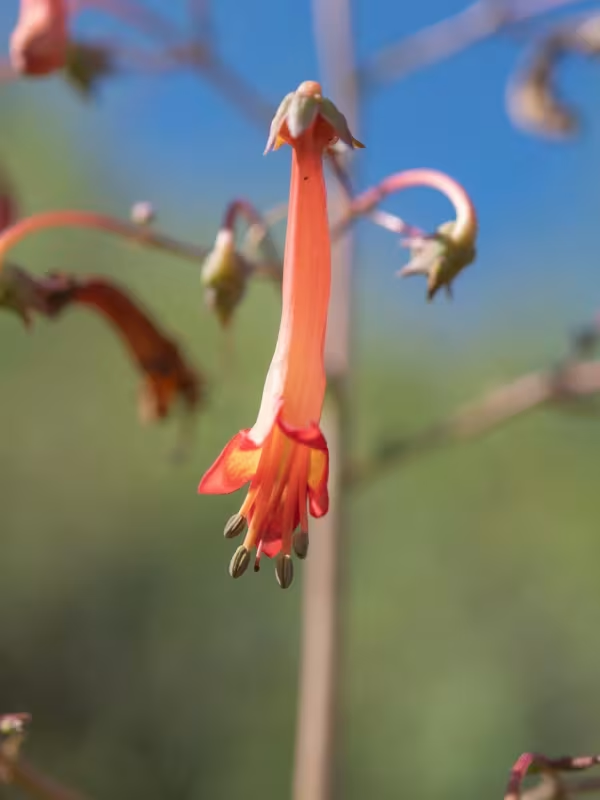
Description
Sowing dates
Sowing seeds of Phygelius capensis is typically done in late winter or early spring under protected conditions, such as a greenhouse or a sunny windowsill. Starting early ensures the plant establishes a strong root system before the warmer season.
Use a light, well-draining seed-starting mix to avoid moisture retention issues. Surface sow the seeds lightly, as they require some exposure to light to germinate effectively, and keep the temperature around 18-20°C.
Maintain consistent humidity by covering the tray with plastic or glass until germination occurs. Once seedlings reach the stage of having two pairs of true leaves, they should be pricked out into individual small pots for better development.
Acclimatization of the young plants to outdoor conditions is essential before final transplantation. Gradually increase their exposure to cooler temperatures and outdoor airflow over a period of ten to fourteen days.
Transplanting to the final location in the garden should occur once the danger of frost has passed. Planting in groups can create a more dramatic visual impact due to the plant's upright growth habit.
Growing requirements
As a member of the Scrophulariaceae family, Cape fuchsia thrives in bright, sunny locations. It originates from the South African landscape, meaning it prefers areas with ample sunlight and heat to encourage flowering.
The soil must be fertile, moist, yet exceptionally well-drained. Heavy or waterlogged soil is detrimental to the plant, often causing root rot, especially during the dormant season in colder climates.
Watering requirements are moderate; the plant prefers to be kept consistently moist during the active growth period. In hot summer weather, container-grown plants may need daily watering to prevent stress.
Hardiness is a key factor; while it can survive mild winters, it often requires heavy mulching or being brought indoors in regions where temperatures drop significantly below freezing for extended periods.
Applying a balanced fertilizer during the growing season will help promote the characteristic tubular blooms. Avoid high-nitrogen fertilizers later in the season to prevent weak growth before winter.
Main diseases and pests
Aphids and spider mites are the most common pests affecting Cape fuchsia. They tend to cluster on the underside of leaves and tender stems, quickly weakening the plant if not addressed early.
Fungal issues, particularly powdery mildew, can occur when the plant is exposed to high humidity and poor air circulation. Proper spacing between plants significantly reduces this risk.
Root rot is the most dangerous condition for this species, usually caused by overwatering or soil that lacks proper drainage. Symptoms include yellowing leaves and a sudden decline in plant vigor.
Pest control can be managed through regular monitoring and the use of insecticidal soaps or systemic treatments when necessary. Keeping the area free of weeds helps minimize harborages for pests.
Cultural practices, such as removing dead or damaged stems after the flowering season, help improve plant hygiene and reduce the likelihood of overwintering fungal spores.