
Cape fuchsia
Phygelius aequalis Harv. ex Hiern
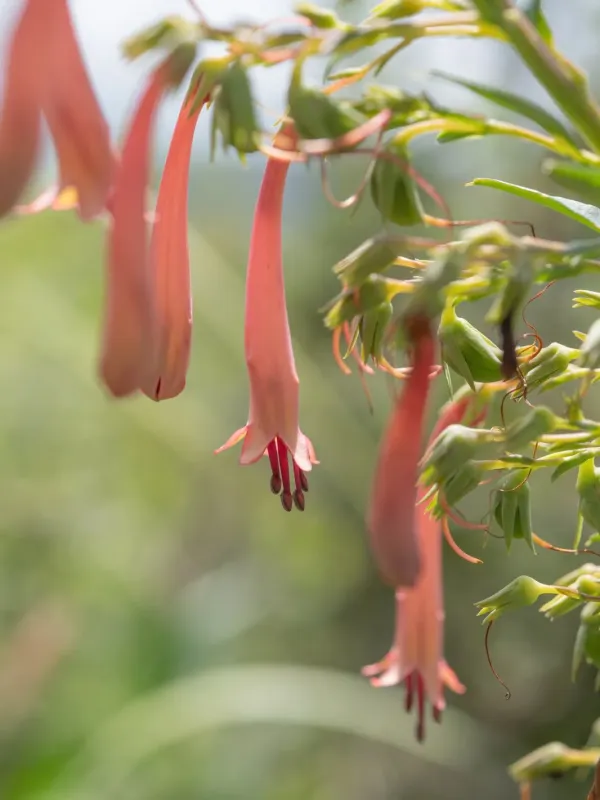
Description
Sowing dates
Seeds of Phygelius aequalis should be sown in late winter or early spring using a high-quality seed starting mix in a controlled greenhouse environment.
Maintain a constant temperature between 20 and 22 degrees Celsius to ensure uniform germination, which usually takes two to three weeks.
Once the seedlings develop their first true leaves, prick them out into individual small pots to encourage strong root development.
Hardening off the seedlings over a period of two weeks before planting them into the garden is crucial for survival in outdoor conditions.
Plant them in the garden after the last frost date, ensuring the soil is well-prepared and rich in organic matter for better establishment.
Growing requirements
Belonging to the Scrophulariaceae family, this plant originates from the mountain regions of South Africa, preferring temperate conditions.
It thrives in full sun but appreciates some light afternoon shade in regions with extremely hot and intense summer temperatures.
The soil must be well-drained and fertile; heavy, waterlogged clays should be amended with compost or coarse sand to improve drainage.
Consistent moisture is key for this plant; while it needs regular watering during the growth phase, it does not tolerate soggy, stagnant conditions.
In cooler climates, heavy mulching or lifting the roots for overwintering indoors is necessary to protect the plant from freezing temperatures.
Main diseases and pests
The most common pests include aphids and spider mites, which can cause significant damage to the new, tender growth during the summer season.
Fungal issues, particularly powdery mildew, often occur when the foliage remains wet for long periods or when air circulation is inadequate.
Root rot is a major threat in soils that do not drain effectively, often leading to the rapid decline and death of the plant.
Regular monitoring of the foliage for discoloration or distorted growth allows for early intervention with organic or chemical treatments.
Pruning out damaged or diseased stems during the growing season helps maintain plant vigor and prevents the spread of potential pathogens.