
Selskian stonecrop
Phedimus selskianus
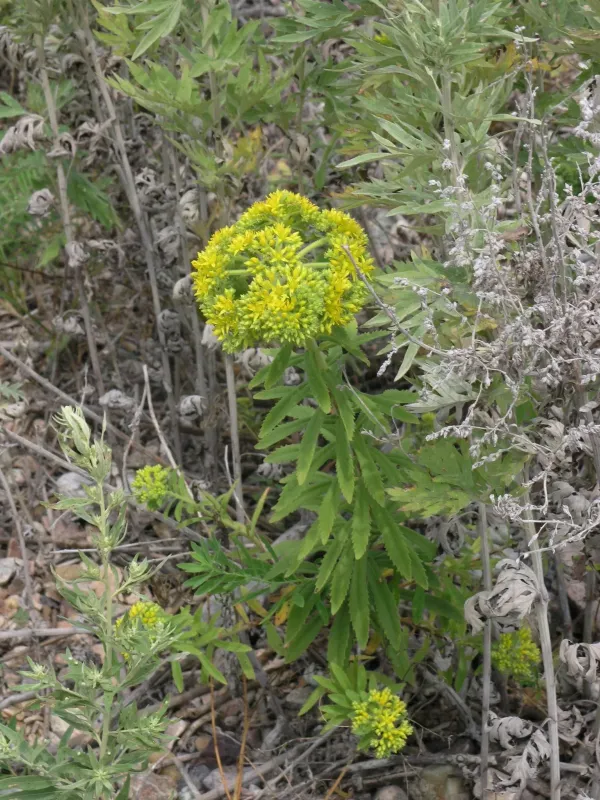
Description
Sowing dates
The propagation of Phedimus selskianus is primarily achieved through vegetative methods, such as stem cuttings or division of the established clumps. The most favorable period for these procedures is late spring, when the plant begins its active growth phase.
If seeds are used, they should be sown in early spring in a lightweight, well-draining substrate. Because the seeds are tiny and require light to germinate, they are typically sown on the surface and kept consistently moist until emergence.
Transplanting into the permanent outdoor location should occur in late May or early June, once the risk of spring frost has completely passed. This timing ensures the plants can establish themselves before the intense summer heat sets in.
Site selection is crucial: the plants thrive in full sun, though they can tolerate partial shade. However, ensuring sufficient sunlight is essential to maintain the plant's characteristic compact habit and vibrant foliage color.
Planting density should be managed by maintaining a spacing of 20 to 30 centimeters between individual plants. Proper spacing is necessary to facilitate airflow and minimize the risk of moisture-related diseases in the foliage.
Growing requirements
Selskian stonecrop, a member of the Crassulaceae family, is a hardy succulent species well-adapted to environments with limited water availability. Its thick, fleshy leaves serve as water storage, allowing it to survive periods of prolonged drought.
This crop is not demanding regarding soil fertility; it prefers sandy, gritty, or rocky soils that offer excellent drainage. The plant will struggle in heavy clay soils or areas prone to waterlogging, as the roots are sensitive to excess moisture.
The soil pH should ideally be neutral or slightly alkaline. Excessive nitrogen fertilization should be avoided, as it encourages weak, etiolated growth and reduces the overall cold hardiness and structural integrity of the plant.
The plant is highly winter-hardy and capable of enduring freezing temperatures common in temperate climates. This resilience makes it an excellent choice for rock gardens and ground cover applications in diverse geographic zones.
For optimal growth, ensure the site remains weed-free. Competition from invasive weeds can deprive the stonecrop of sunlight and air circulation, eventually weakening the colony and increasing susceptibility to environmental stressors.
Main diseases and pests
The most significant threats to Phedimus selskianus are fungal infections, typically triggered by poor drainage or excessive soil moisture. Root rot is the most common cause of sudden plant failure in poorly managed beds.
Insects like aphids and mealybugs can infest the succulent stems, feeding on cell sap and weakening the plant. Regular monitoring during the growing season allows for early detection and manual removal or the application of insecticidal soaps.
Powdery mildew may occur if air circulation is insufficient, especially in regions with high humidity. Improving the spatial layout of the plants and removing dead organic debris can significantly reduce the risk of this fungal issue.
Gastropods, such as slugs and snails, can cause cosmetic and structural damage by feeding on the leaves. Protective measures, including the use of barriers or molluscicides, may be required in areas with high pest pressure.
Maintaining a clean cultivation area is essential for disease prevention. By removing wilted foliage and controlling surrounding vegetation, the gardener ensures that the stonecrop remains in an environment conducive to long-term health.