
Pfaffia tuberosa
Pfaffia tuberosa
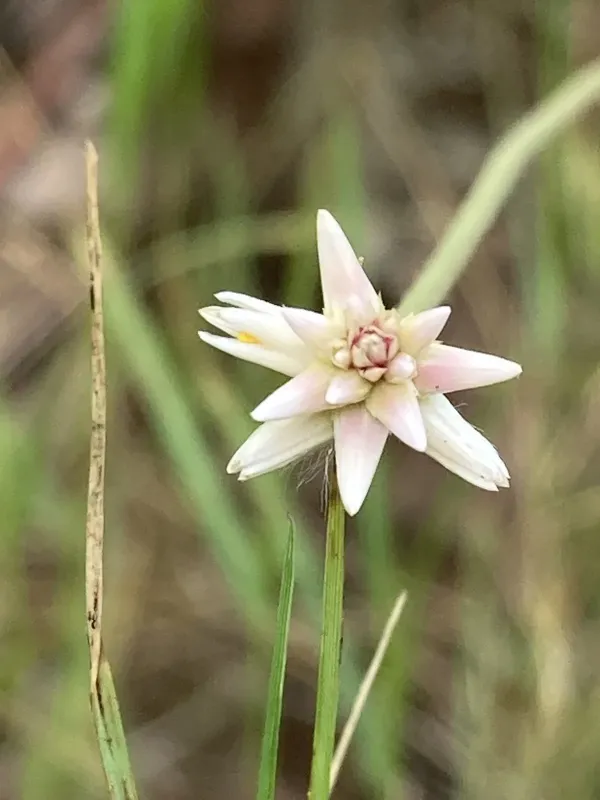
Description
Growing requirements
Pfaffia tuberosa is a member of the Amaranthaceae family, widely recognized for its medicinal potential. Native to the tropical regions of South America, particularly Brazil, this herbaceous perennial plant has gained attention as an agricultural crop.
The plant thrives in well-drained, fertile soils with a pH ranging from neutral to slightly acidic. Effective field management requires excellent soil aeration, as root health is paramount to achieving high yields of the tuberous roots utilized in the industry.
Environmental requirements include a warm, sunny climate with no tolerance for frost. In agricultural settings, it is best grown in tropical climates or managed in high-tech greenhouses where temperatures can be consistently maintained above 15°C throughout the year.
Botanically, Pfaffia tuberosa is characterized by its significant rhizomes that serve as storage organs for essential phytochemicals. The plant develops a robust root system that requires adequate space, necessitating precise planting densities to ensure individual root development.
Agricultural techniques involve deep soil preparation and the incorporation of organic matter to foster root expansion. Regular weeding during the early stages of establishment is critical, as the crop is initially slow-growing and sensitive to competition from weeds.
Yield
The yield of Pfaffia tuberosa is calculated based on the dried root mass collected at the end of a typical 18- to 24-month growing cycle. This long maturity period is necessary to allow the accumulation of sufficient active compounds, such as ecdysteroids.
Commercially, the crop is valued primarily for its pharmacological applications. Often referred to as "Brazilian ginseng," the roots are harvested, washed, and dried, then processed into extracts, powders, or capsules used in the wellness industry.
Yield optimization is achieved through controlled irrigation and specific nutrient management. Over-fertilization with nitrogen is generally avoided, as it tends to favor excessive leaf growth at the expense of the root development that constitutes the primary harvestable product.
Harvesting usually involves mechanical or manual lifting of the roots, ensuring minimal damage to the skin. Proper post-harvest handling is vital, as the tubers can quickly degrade if subjected to high humidity or improper drying temperatures.
Quality control standards dictate that the final product must meet specific concentrations of active ingredients, which are influenced by the regional light intensity and the precision of the harvest timing by the farmer.
Main diseases and pests
Root rot caused by soil-borne fungi is the most significant threat to Pfaffia tuberosa crops, particularly in areas with heavy or waterlogged soils. Strict adherence to crop rotation and soil sanitation is necessary to mitigate these risks.
Nematodes represent another major pest challenge, capable of causing significant yield loss by damaging the root epidermis. The use of biological control agents and resistant cultivars is currently the best practice for sustainable management of these pests.
Foliar pests, such as aphids, require careful monitoring, especially during the seedling stage when the plants are most vulnerable to sap-sucking insects that might transmit pathogens. Preventive scouting is essential to maintain field health.
Weed management remains an ongoing labor requirement until the canopy closes. Utilizing mulching techniques can help reduce weed pressure and stabilize soil temperature, contributing to a healthier root environment and reducing pest pressure.
- Regular inspections for fungal spot diseases on foliage.
- Use of disease-free propagation stock.
- Drip irrigation to minimize leaf and root crown moisture.
- Integrated Pest Management (IPM) strategies for sustainability.