
Pfaffia pulverulenta
Pfaffia pulverulenta
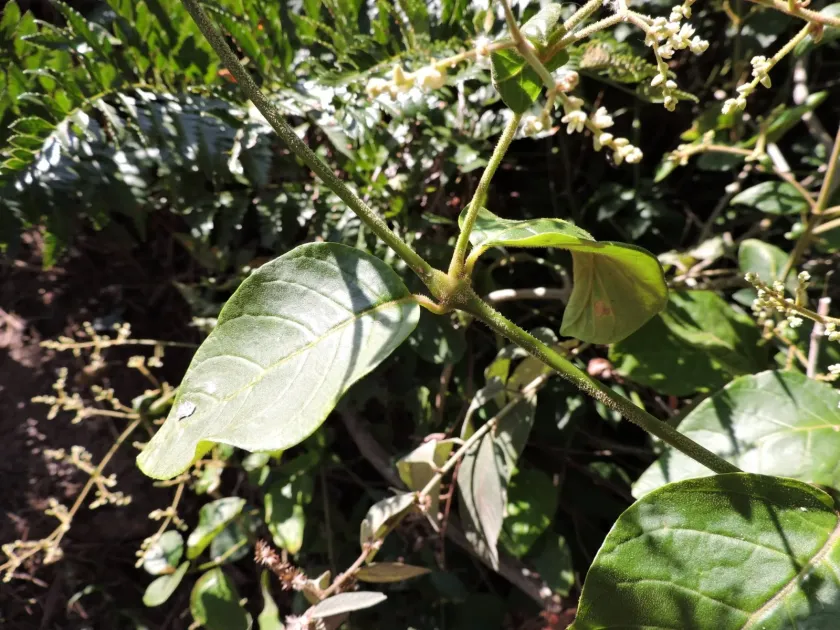
Description
Sowing dates
Pfaffia pulverulenta is a perennial herbaceous plant belonging to the Amaranthaceae family. In agricultural settings, it is typically cultivated for its medicinal properties, requiring careful planning for seedbed preparation to ensure successful establishment.
The sowing season begins when soil temperatures consistently reach 18–20 degrees Celsius. In many regions, this corresponds to late spring, which allows the plant to avoid late frosts and benefit from the warmer, longer days essential for early vegetative development.
Seeds should be planted at a shallow depth of approximately 1–2 cm, as they require proximity to the soil surface for proper oxygen availability during germination. Ensuring high-quality, pre-treated seeds significantly increases the germination rate and uniformity of the crop stand.
Spacing is a crucial factor for yield optimization. Rows are typically spaced 40–50 cm apart, with individual plants positioned 30 cm apart within the row. This structure provides adequate airflow, which is critical for reducing humidity-related diseases in the dense foliage.
Under greenhouse conditions, sowing can commence earlier in the season. However, supplemental lighting is often necessary to prevent etiolation of seedlings, ensuring that transplanting to the field results in high survival rates and robust initial growth.
Growing requirements
The cultivation of Pfaffia pulverulenta requires well-drained, fertile soil, ideally sandy loam with a neutral pH. The crop is highly sensitive to waterlogging, as excessive soil moisture promotes root rot, which is the primary cause of crop loss in poorly managed fields.
Sunlight exposure is essential for the accumulation of metabolites within the root system. Fields should be situated in full-sun locations, away from trees or buildings that might cause prolonged shading, as this decreases the plant's biological potency.
The ideal temperature range for this crop is between 22 and 28 degrees Celsius. While the plant shows some drought tolerance once established, consistent soil moisture during the active growth phase is necessary for producing healthy, high-quality roots.
Fertilization regimes should prioritize phosphorus and potassium to support underground growth. Excessive nitrogen should be avoided to prevent over-luxuriant foliage development, which may divert energy away from the root system and increase susceptibility to pests.
Regular inter-row cultivation is required to keep the site weed-free and to break up soil crusts. Improving soil aeration through mechanical tillage encourages deep root penetration, which is vital for the eventual harvesting of the crop.
Main diseases and pests
Root rot, primarily caused by fungal pathogens such as Fusarium and Rhizoctonia, remains the most significant threat to Pfaffia pulverulenta. Managing soil drainage and avoiding excessive irrigation are the primary preventive measures against these pathogens.
Pests like aphids and spider mites can colonize the leaves, especially during hot and dry spells. Biological pest control methods are preferred over broad-spectrum pesticides to maintain the chemical integrity and market quality of the harvested biomass.
Nematode infestations can severely affect crop yield by disrupting nutrient uptake in the roots. Using healthy, certified seeds and avoiding sites with high nematode pressure is essential for long-term productivity and field health.
Effective hygiene practices, such as removing crop debris at the end of the harvest, play a vital role in preventing the overwintering of pathogens and pests within the field environment.
Regular field scouting is recommended to identify early signs of stress or infection. Detecting outbreaks in the initial stages allows for targeted treatments, which minimizes the need for extensive chemical interventions across the entire farm.