
Pfaffia iresinoides
Pfaffia iresinoides
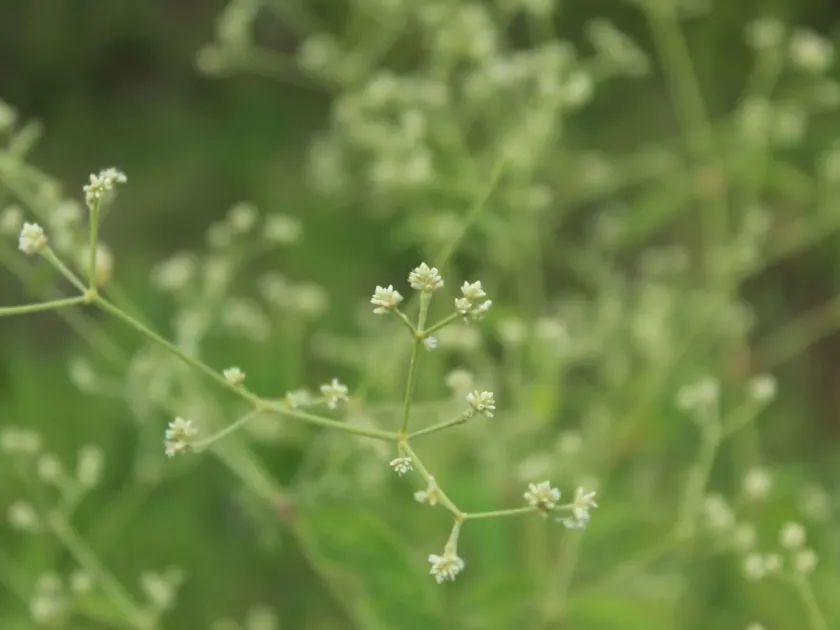
Description
Sowing dates
Pfaffia iresinoides belongs to the Amaranthaceae family. It is a perennial herbaceous plant that naturally reproduces via seeds upon completion of its flowering cycle, spreading throughout its native habitat in tropical regions.
In agricultural practice, seeding is performed in the spring when soil temperatures reach a stable range of +18-22°C. Utilizing a seedling nursery method is highly recommended to monitor germination rates and protect young, tender plants during their initial growth stages.
Seeds should be planted at a shallow depth, no more than 1-2 centimeters. Consistent substrate moisture is essential during the 14-20 day germination period to ensure uniform seedling emergence and robust development.
For commercial cultivation, a planting density of 40x50 centimeters is advised to provide adequate spacing. This layout ensures proper airflow between plants, which is crucial for preventing humidity-related issues in the canopy.
The plant demonstrates vigorous growth when provided with long daylight hours. High light intensity is the primary driver for accumulating biomass and synthesizing the specific triterpene saponins that make this crop valuable for the medicinal industry.
Growing requirements
Native to Central and South America, Pfaffia iresinoides thrives in tropical to subtropical climates. It requires well-drained, fertile soils with a neutral or slightly acidic pH, rich in organic matter to support its rapid growth.
Water management is critical; while the plant enjoys high humidity, it is extremely sensitive to waterlogging. Excessive moisture in the root zone can lead to rapid decay and plant death, making soil drainage a top priority for growers.
Light requirements are high. The plant is best suited for sunny locations where it can receive direct sunlight throughout the day. Shaded conditions often result in etiolation, weakened stems, and reduced production of secondary metabolites.
The temperature range of +22-28°C is optimal for vegetation. Pfaffia iresinoides does not tolerate frost, necessitating greenhouse cultivation in regions where nighttime temperatures drop below +10°C for extended periods.
Routine soil aeration through cultivation or light hoeing is recommended to encourage root health. This is particularly important for clay-based soils, where compaction can restrict the root development and oxygen uptake necessary for high yields.
Yield
The economic value of Pfaffia iresinoides is primarily derived from its aerial biomass, which is processed for pharmaceutical and dietary supplement applications. The crop is valued for its unique phytochemical profile.
Yield efficiency is directly linked to nutrient management. Application of nitrogen and potassium fertilizers at the early stages of the growing season promotes vigorous foliage development and ensures high final dry weight counts.
Standardization requires harvesting during the early flowering phase when the concentration of active compounds is at its peak. Immediate drying at controlled temperatures (not exceeding +45°C) is mandatory to preserve the chemical integrity of the raw material.
With intensive farming techniques, producers can expect yields of up to 15-20 tons of dry biomass per hectare. Efficiency in harvest and processing is key to maintaining a competitive edge in the medicinal plant market.
- Cleanliness during harvest to prevent contamination.
- Proper drying facilities to ensure shelf life.
- Strict adherence to post-harvest handling protocols.
Main diseases and pests
The most significant threats to Pfaffia iresinoides include fungal infections such as root rot and stem blight, which thrive in environments with poor ventilation and stagnant moisture in the soil profile.
Pests such as spider mites and aphids are common in hot, dry conditions. These insects target the young shoots, significantly reducing the vigor of the plant and damaging the quality of the marketable aerial parts.
Integrated Pest Management (IPM) is highly recommended. The use of biological controls, such as beneficial predatory insects, is often preferred over harsh chemicals to ensure the final product meets stringent quality standards for human consumption.
Cultural practices, including proper plant spacing, weed control, and removing infested plants, form the first line of defense. By minimizing environmental stress, growers can maintain a healthy, productive crop throughout the season.
Regular monitoring of the foliage and root systems is essential. Early detection allows for targeted spot-treatment, preventing the widespread loss of the crop and ensuring a profitable yield for the agricultural operation.