
Pfaffia
Pfaffia glomerata
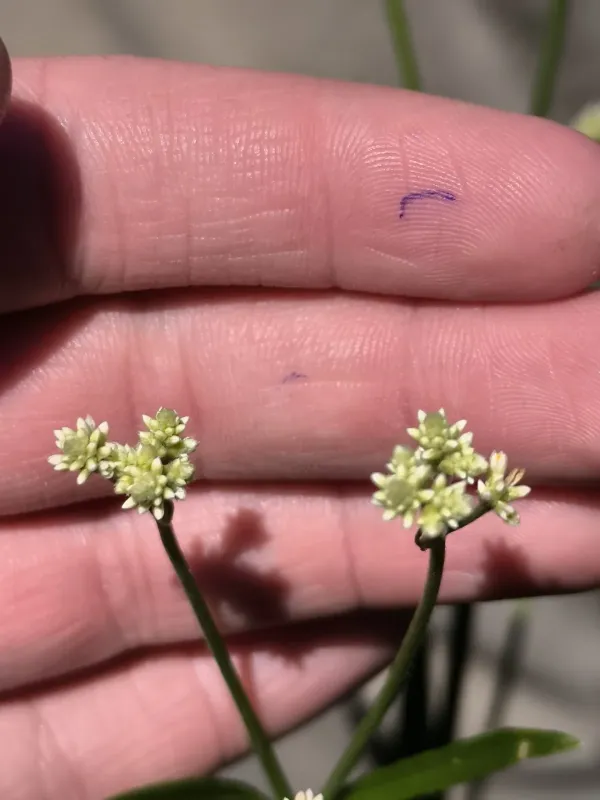
Description
Growing requirements
Pfaffia glomerata, commonly known as Brazilian ginseng, is a perennial herb belonging to the Amaranthaceae family. Originating from the tropical regions of South America, this plant is naturally adapted to riverine habitats and areas with consistent moisture availability.
The crop requires well-drained, fertile soil with a slightly acidic to neutral pH balance. The success of the cultivation depends largely on the soil's structure, as the development of the tuberous roots—the most valuable part of the plant—requires loose, aerated substrates.
Temperature management is crucial, as Pfaffia thrives in tropical climates with temperatures between 20°C and 30°C. In regions prone to frost, the plant must be protected, as it is highly sensitive to cold stress, which can halt development and cause root damage.
Agronomic practices focus on maintaining optimal soil moisture while avoiding waterlogging. Irrigation should be adjusted based on the plant’s growth stage, with increased water needs during the vegetative phase and reduced irrigation as the roots mature.
The plant is highly valued for its medicinal properties, specifically for the accumulation of phytoecdysteroids in its roots. It is utilized in the pharmaceutical industry to develop adaptogenic, anti-inflammatory, and tonic herbal supplements consumed worldwide.
Main diseases and pests
Root rot pathogens represent the most significant threat to Pfaffia production. These fungal diseases, often caused by Fusarium or Pythium species, flourish in poorly drained soils and can quickly destroy the harvestable portion of the plant.
Insect pests, including aphids and whiteflies, pose risks to the foliage, especially in greenhouse or nursery environments. These pests can extract plant sap and potentially transmit viral pathogens, significantly reducing overall plant vigor.
Preventive strategies include utilizing sterile growing media and implementing proper crop rotation cycles. Keeping the field free from weeds also prevents the buildup of pest populations that could migrate to the main crop.
Biological controls such as neem oil or beneficial predatory mites can be used to manage infestations without compromising the purity of the medicinal raw materials. Integrating these methods ensures a safe and effective protection program.
Continuous monitoring of soil conditions and plant health is essential for successful cultivation. Early identification of stress symptoms allows farmers to adjust fertilization or watering schedules, thereby mitigating the risk of widespread disease outbreaks.