
Petrosedum tenuifolium
Petrosedum tenuifolium
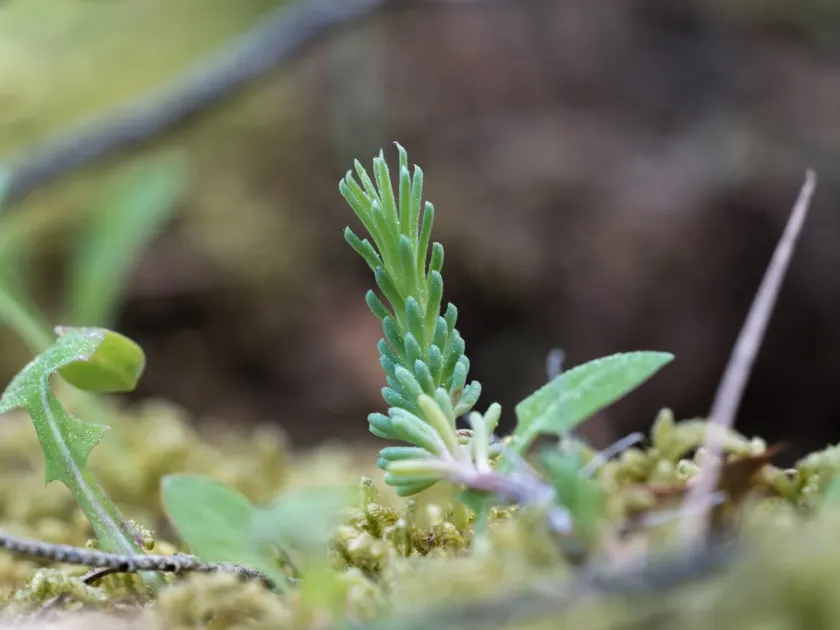
Description
Sowing dates
Petrosedum tenuifolium is a succulent member of the Crassulaceae family, valued for its hardiness and ability to thrive in challenging environments. Propagation can be effectively achieved through seeds or vegetative cuttings, which is the preferred method for maintaining genetic uniformity.
When sowing seeds, it is important to use a well-draining, gritty soil mix. Seeds should be surface-sown and pressed gently into the substrate without covering, as light is often required for germination. The process is best initiated in early spring under controlled indoor conditions.
For vegetative propagation, stem cuttings are taken during the active growing season. The cuttings should be left to callus for a few days to prevent rot before being inserted into a dry, sandy rooting medium where they will quickly establish roots.
Consistency in moisture levels is vital during the germination and rooting phase. While succulent seedlings are hardy, they require a stable environment to prevent desiccation, though excess water must be strictly avoided to prevent damping-off diseases.
Once the young plants have developed a robust root system, they are ready to be transplanted to their permanent outdoor location. Proper spacing is essential to ensure adequate airflow and prevent the accumulation of moisture around the base of the plant.
Growing requirements
The primary requirement for Petrosedum tenuifolium is exceptional drainage. It naturally occurs in rocky or sandy substrates, and in a cultivated setting, it must be provided with similar conditions to replicate its native habitat and prevent root decay.
Full sun is necessary for the plant to maintain its characteristic compact habit and vibrant foliage color. Inadequate light levels will cause the plant to etiolate, leading to weak, leggy stems that are more susceptible to environmental stressors and pests.
This species is highly drought-tolerant, storing water within its succulent leaves. Irrigation should be minimal and infrequent, reserved only for extended periods of extreme heat when the soil has completely dried out for a significant amount of time.
The plant demonstrates significant winter hardiness, provided it is kept dry during the dormant season. Excess moisture combined with freezing temperatures can cause the cell walls of the succulent leaves to rupture, leading to plant death.
Nutrient requirements are low, as the plant is adapted to nutrient-poor soils. Fertilization is generally unnecessary, but if performed, it should be limited to a dilute, low-nitrogen liquid feed specifically formulated for succulents during the early spring growth flush.
Main diseases and pests
Fungal infections remain the most common issue, typically triggered by high humidity or stagnant water at the roots. Ensuring a well-drained site with high air circulation is the best preventive measure against the development of crown and root rot.
Pests such as mealybugs or aphids may occasionally colonize the soft, new growth of the plant. These insects feed on the sap and can lead to stunted growth and the transmission of secondary infections if left untreated.
Integrated pest management involves regular monitoring and the removal of any infested sections. Using biological control agents or insecticidal soaps can be effective, provided they are applied during the cooler parts of the day to avoid leaf scorch.
Slugs and snails can cause mechanical damage to the leaves, especially in damp, rainy weather. Protective measures like copper tape or sharp grit barriers around the plant base are often sufficient to deter these gastropods from accessing the plant.
In cases of severe infestation or systemic disease, it is often more practical to discard the affected plant and replace it with a healthy specimen to prevent the spread of the pathogen or pest to the rest of the succulent collection.