
Petrosedum erectum
Petrosedum erectum
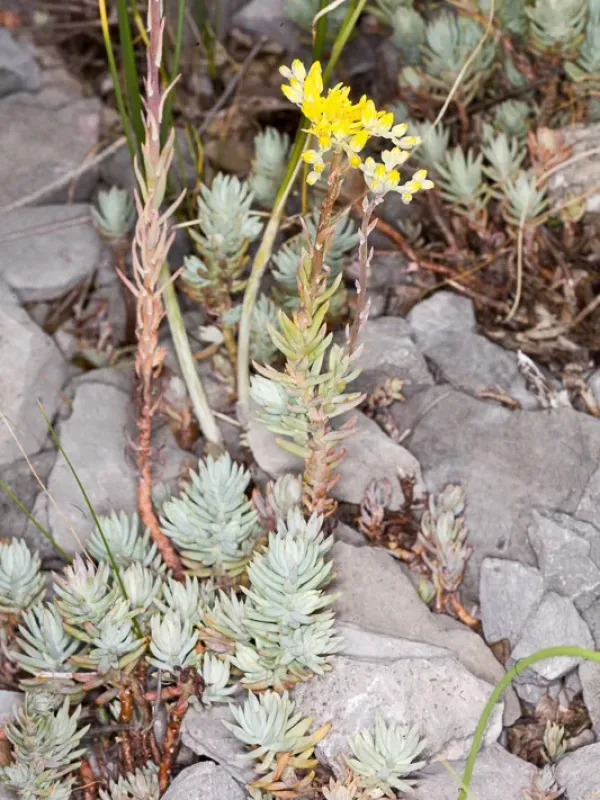
Description
Growing requirements
Petrosedum erectum is a perennial herbaceous plant belonging to the Crassulaceae family. Characterized by its succulent leaves, this species is highly valued for its resilience and ability to thrive in challenging environmental conditions where water is often scarce.
Native to rocky slopes and mountain crevices, the plant has evolved physiological adaptations to manage nutrient-poor, mineral-rich soils. Its natural habitat dictates the core agronomic requirements, favoring locations that replicate its indigenous ecological niche.
The primary soil requirement is excellent drainage. Petrosedum erectum cannot tolerate waterlogged conditions, which lead to root rot and systemic failure. A substrate comprising a blend of coarse sand, gravel, and organic matter is ideal for ensuring root health.
Regarding climatic demands, the plant requires full sun exposure to maintain its structural integrity. Inadequate light results in etiolation, where the plant grows weak and leggy, thereby losing its characteristic aesthetic and physiological robustness.
Agronomic management involves minimal intervention. Given its succulent nature, it exhibits high drought tolerance. Irrigation should be applied sparingly, allowing the growing medium to dry out completely between watering sessions to ensure long-term vitality.
Main diseases and pests
Root rot caused by Phytophthora species is the most significant threat to Petrosedum erectum. This condition is primarily induced by poor drainage management and excessive soil moisture, emphasizing the need for a well-structured planting site.
Aphids and mealybugs represent the main pest threats, particularly during the growing season. These insects feed on the succulent tissues and can weaken the plant, making it susceptible to secondary bacterial and fungal infections.
Fungal leaf spot can occur during periods of prolonged high humidity and lack of air circulation. Implementing adequate spacing between plants is a critical preventive measure that promotes evaporation and healthy leaf development.
Gastropods, such as slugs and snails, can cause significant cosmetic and structural damage during the early stages of growth. Protective barriers or organic molluscicides are often used to mitigate this risk in outdoor planting environments.
Routine inspection for pests and diseases is essential for maintaining crop health. Prompt removal of infested tissues and the application of targeted treatments can prevent the spread of localized outbreaks across the entire plantation area.