
Nepalese knotweed
Persicaria nepalensis (Meisn.) H. Gross
Description
Growing requirements
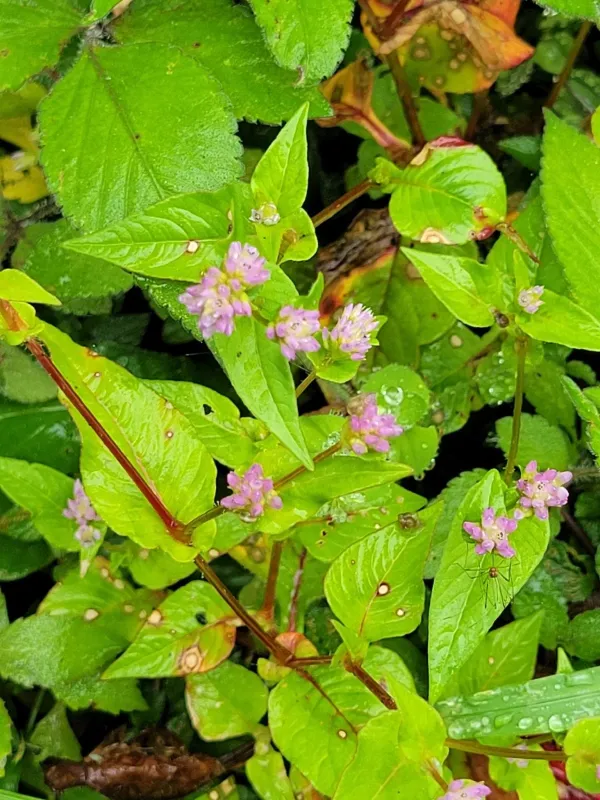
Nepalese knotweed (Persicaria nepalensis) is an annual herbaceous species within the Polygonaceae family. It is native to temperate and tropical regions of Asia, primarily found in mountainous zones and humid highland environments.
Botanically, it is characterized by its spreading growth habit and distinct foliage, which makes it well-adapted to environments with consistent moisture. It typically thrives in cool, damp conditions along water channels and open forest edges.
Regarding soil requirements, the plant performs best in well-drained, nutrient-rich loamy soils. It has a moderate tolerance for various soil pH levels, provided the nutrient content is sufficient to support rapid vegetative growth.
In terms of climate, it prefers cooler temperate climates with high humidity levels. Extreme thermal stress or prolonged drought conditions can significantly impair the physiological development of the plant and reduce its total biomass.
The agricultural usage of Persicaria nepalensis focuses on its potential as a supplementary fodder resource and its historical application in traditional folk medicine due to its unique phytochemical composition.
Main diseases and pests
The primary threats to the cultivation of this species involve fungal pathogens such as downy mildew and leaf spots, which proliferate under conditions of high humidity and limited airflow.
Pest pressure from common agricultural insects, particularly aphids and various types of mites, can affect the crop quality. Early detection is crucial to maintain high foliage health.
Integrated pest management strategies are recommended, focusing on maintaining optimal spacing between plants to enhance ventilation and reducing the humidity trapped within the canopy.
Crop rotation should be employed if the field shows signs of soil-borne pathogens. Avoiding monocropping in endemic areas helps to manage the population of specialized pests.
Regular field surveys during the peak growing season allow for the application of targeted control measures, ensuring the crop remains productive while minimizing chemical use.