
Persicaria microcephala
Persicaria microcephela
Description
Growing requirements
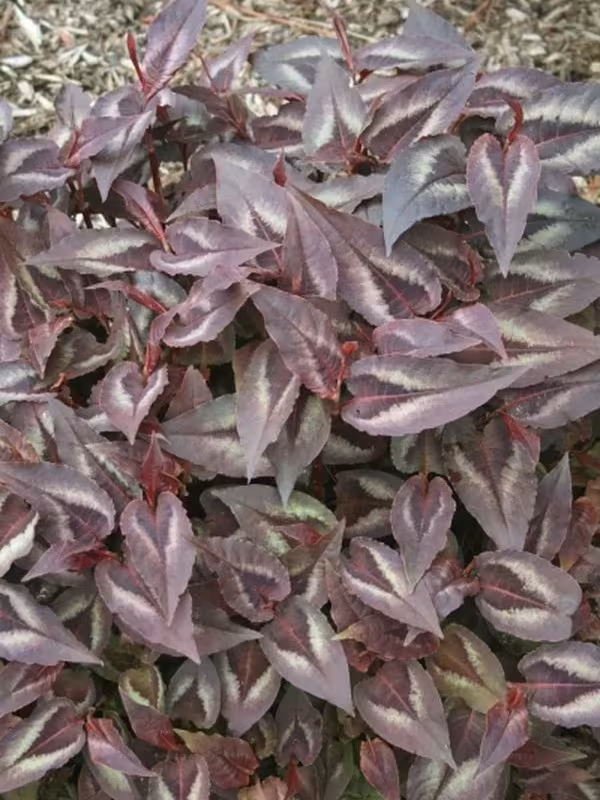
Persicaria microcephala is a member of the Polygonaceae family. It is a perennial herbaceous plant widely recognized for its foliage, which often features unique color patterns including silver, green, and deep purple highlights.
Native to the temperate regions of East Asia, including China and Japan, this plant thrives in mountain forests and damp environments. Understanding its natural habitat is crucial for successful cultivation in garden settings.
The plant requires fertile, well-draining soil that remains consistently moist. It performs best in partial shade, as direct, intense sunlight can scorch the leaves and cause the soil to dry out too quickly, impacting the plant's health.
Routine care involves consistent watering, especially during dry spells or heatwaves. Applying organic mulch around the base of the plant is highly beneficial for moisture retention and suppressing competing weed growth near the root zone.
In colder regions, it is recommended to provide winter protection with mulch to shield the root system. Proper placement in the garden allows the plant to form dense, attractive mounds, making it a valuable groundcover choice.
Main diseases and pests
Slugs and snails are the primary pests that damage the plant's foliage. Gardeners often use barriers or environmentally friendly bait to prevent these pests from consuming the lush leaves during damp weather conditions.
Powdery mildew can be a problem in areas with high humidity and poor air circulation. To prevent this, ensure adequate spacing between plants and avoid overhead watering that keeps the foliage wet for extended periods.
Aphids can occasionally colonize young stems during the spring. Early detection is key; simple soap solutions or horticultural oils are typically effective at controlling these infestations without leaving harmful residues.
Root rot caused by stagnant water is a significant threat in heavy, clay-based soils. Proper drainage installation before planting is the most effective preventative measure against this destructive fungal condition.
Regular sanitation, which includes removing dead or diseased foliage, helps maintain good plant health and reduces the overall risk of pest and disease outbreaks within the landscape beds.