
Persicaria barbata
Persicaria barbata (L.) H. Hara
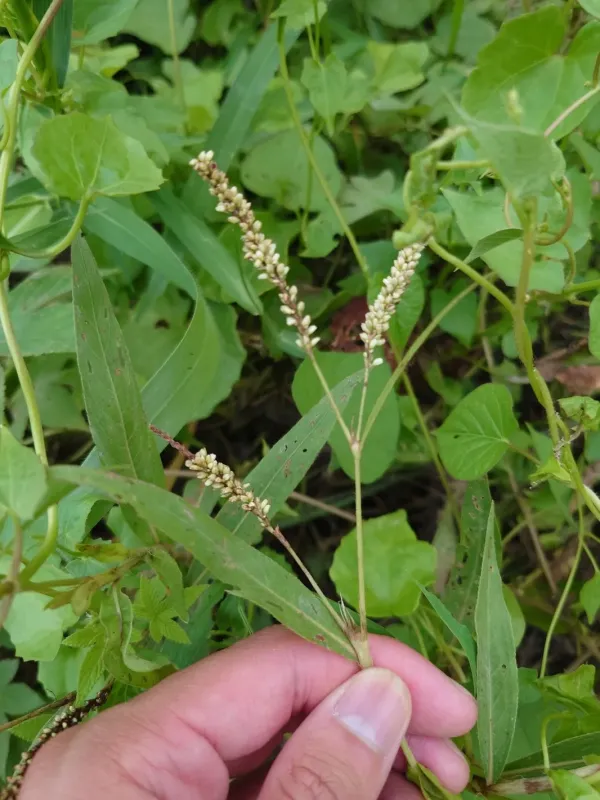
Description
Sowing dates
Sowing of Persicaria barbata is best performed in the spring season once the soil temperature consistently reaches 12 to 15 degrees Celsius. Ensuring sufficient soil moisture is vital for achieving rapid and uniform germination of the seeds.
It is recommended to use a wide-row spacing method, typically 45 to 60 centimeters, to facilitate mechanical cultivation and weed control during the early stages of plant development.
The planting depth should be approximately 1 to 2 centimeters depending on soil texture. In heavier clay soils, shallower sowing is preferred, whereas lighter soils allow for slightly deeper placement to maintain moisture around the seeds.
In regions with shorter growing seasons, starting the plants in greenhouses or nurseries 30 to 40 days prior to transplanting is an effective method to ensure the crops reach maturity in time.
Post-emergence thinning is an essential step to ensure optimal plant density. Proper spacing allows each plant to develop a robust root system and sufficient vegetative mass for a high-quality harvest.
Growing requirements
Persicaria barbata, belonging to the Polygonaceae family, is a hygrophilous plant that thrives in moist, organic-rich soils. It is particularly well-adapted to low-lying areas and floodplain environments.
While the plant prefers sunny conditions, it can tolerate partial shade during early growth phases. Excessive shade, however, may result in decreased biomass production and reduced yield quality.
The plant performs best in neutral to slightly acidic soils. Soil fertility is a significant factor in productivity, and supplemental organic fertilization is often beneficial for optimizing growth rates.
The temperature optimum for active vegetation is between 20 and 28 degrees Celsius. Extreme cold or temperature fluctuations can significantly stunt development and delay the timing of the harvest.
Good agricultural practice requires rigorous weed management, especially in the early stages when the crop is sensitive to competition from fast-growing weeds that threaten its nutrient access.
Yield
The yield of Persicaria barbata is largely dependent on the fertility of the soil and the strategic application of nitrogen-based fertilizers. With proper management, the crop produces significant biomass per hectare.
Harvesting should be timed to coincide with the peak flowering phase, as the concentration of biologically active compounds within the foliage is highest at this stage of the plant life cycle.
Nitrogen management must be balanced carefully. Excessive nitrogen can trigger rapid succulent growth, which might dilute the concentration of secondary metabolites desired for pharmacological or industrial use.
Under favorable climatic conditions and long growing seasons, it is possible to obtain multiple cuts, provided the first harvest is timed to allow the plant sufficient time to recover.
Proper storage is essential after harvest to prevent the degradation of valuable chemical components. Rapid drying or processing is recommended to preserve the quality of the harvested materials.
Main diseases and pests
The crop generally exhibits high resistance to many common pests, but prolonged wet conditions can lead to fungal leaf diseases. Symptoms often manifest as spots on the foliage, which can affect commercial quality.
Leaf-eating insects can pose a threat during dry spells, potentially damaging foliage and reducing overall harvest volume. Monitoring these populations is key to preventing major losses.
Root rot issues can occur in areas with poor drainage or stagnant water. Designing adequate irrigation and drainage systems is a fundamental preventive measure for long-term crop health.
Preventative measures include crop rotation and ensuring that planting density is not overly high, as good air circulation is essential to prevent the buildup of pathogens.
- Regular inspection of crops for signs of pests
- Use of biological control methods where applicable
- Maintenance of optimal water drainage systems
Harvesting
Harvesting is performed using mechanical equipment adjusted for a high cut. This ensures that the base of the plant remains intact, allowing for regrowth and protecting the plant from excessive stress.
Harvesting should occur in dry, sunny weather to minimize the risk of moisture-related spoilage during transport and initial drying stages on the farm.
Drying must be conducted in controlled environments, keeping temperatures below 45 degrees Celsius to protect the integrity of the plant's chemical composition for further use.
A residual stem height of at least 15 centimeters is recommended after harvesting. This practice supports faster regeneration of side shoots and prepares the plant for future vegetative cycles.
After the harvest is complete, field cleaning is necessary to remove plant debris, reducing the potential for overwintering of pathogens that could threaten the subsequent season's growth.