
Cantaloupe
Cucumis melo L. subsp. melo var. cantalupo Ser.
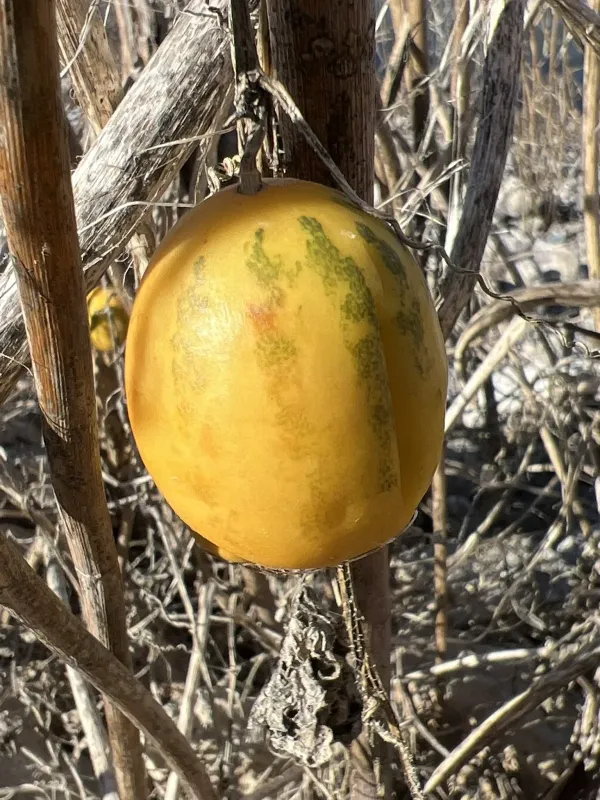
Description
Sowing dates
Cantaloupe (Cucumis melo var. cantalupo) is a warm-season crop belonging to the Cucurbitaceae family. Seeds should be sown outdoors only after the soil temperature has consistently reached 15–18°C.
In regions with shorter growing seasons, starting plants indoors in biodegradable pots 3–4 weeks before the last frost date is highly recommended. This practice gives the plants a head start and protects them from cold stress.
When sowing, ensure that seeds are placed at a depth of about 2 cm. Maintaining a soil temperature of 25–28°C is crucial for successful germination and early development of the seedling.
Hardening off the seedlings is an essential step before transplanting. Exposing plants to outdoor conditions gradually over a week helps them adapt to wind, fluctuating temperatures, and direct sunlight.
Care should be taken during transplanting to minimize root disturbance. The root system of cantaloupe is delicate and sensitive to rough handling, which can cause significant growth stunting.
Growing requirements
Cantaloupe requires full sun exposure, demanding at least 8 to 10 hours of direct sunlight per day. Adequate light is necessary for the plant to develop high sugar content and characteristic flavor.
Well-drained, fertile soil with a pH between 6.0 and 7.0 is ideal. The soil should be rich in organic matter to provide a steady supply of nutrients throughout the rapid growth phase.
Consistent moisture is needed while the vines are growing, but water should be applied at the base of the plant to keep the foliage dry. Wet leaves are susceptible to fungal diseases, especially in humid conditions.
Plastic mulch or landscape fabric can be used to warm the soil and prevent fruit from touching damp soil. This practice also helps in moisture retention and suppresses weed growth effectively.
During the fruit maturation phase, reduce irrigation. A drier soil environment at this stage encourages the concentration of sugars in the fruit, enhancing the sweetness and aroma of the cantaloupe.
Yield
Yield varies based on variety and growing conditions, with healthy plants typically producing 3 to 6 fruits each. Proper spacing and pruning can help maximize the number of quality fruits produced.
The weight of a mature cantaloupe ranges from 0.5 to 2.5 kg. Using high-quality hybrid seeds and drip irrigation systems can significantly increase the overall marketable yield per hectare.
Pruning the lateral vines helps redirect the plant's energy towards fruit production. This technique is often used to ensure that the plant does not expend too much energy on excessive vegetative growth.
Pollination is a vital factor for yield success. If growing in greenhouses, be sure to provide adequate ventilation or manual pollination to ensure that female flowers are successfully fertilized.
The nutritional profile of cantaloupe includes high levels of vitamin A, C, and potassium. Its commercial use ranges from fresh market sales to processing in the fruit salad and beverage industry.
Main diseases and pests
Powdery mildew is a common fungal threat, characterized by white spots on the leaves. Preventive measures include ensuring good air circulation and applying approved fungicides if necessary.
Aphids and spider mites are frequent pests that can stress the plants. Early detection by regularly checking the underside of leaves allows for targeted control using organic insecticidal soaps.
Fusarium wilt and anthracnose are significant soil-borne pathogens. Practicing crop rotation and avoiding planting in the same area for at least 3–4 years are the most effective management strategies.
Protecting plants from viral diseases involves controlling insect vectors like whiteflies. Keeping the garden free of weeds also removes alternative hosts for both viruses and insects.
- Monitor irrigation to prevent waterlogged conditions.
- Use resistant cultivars when available.
- Ensure adequate plant spacing to allow airflow.
Harvesting
Harvesting at the correct time is essential for the best flavor. Signs of maturity include a change in skin color to a tan-yellow shade, a sweet aroma, and the fruit "slipping" easily from the vine.
Cantaloupes do not continue to develop sugar after being picked. Therefore, they must be allowed to ripen fully on the vine to ensure maximum quality and sweetness for the consumer.
To harvest, gently lift the fruit and twist it from the vine. If the stem does not detach with slight pressure, the fruit is likely not yet fully ripe and should remain on the vine.
Store harvested cantaloupes in a cool, well-ventilated location if not consumed immediately. Avoid stacking multiple layers of fruit to prevent bruising and premature spoilage of the bottom layers.
Cantaloupe has a relatively short shelf life, usually lasting up to two weeks under optimal storage conditions. It is best enjoyed fresh shortly after harvest to appreciate its peak texture and taste.