
Perotis scabra
Perotis scabra
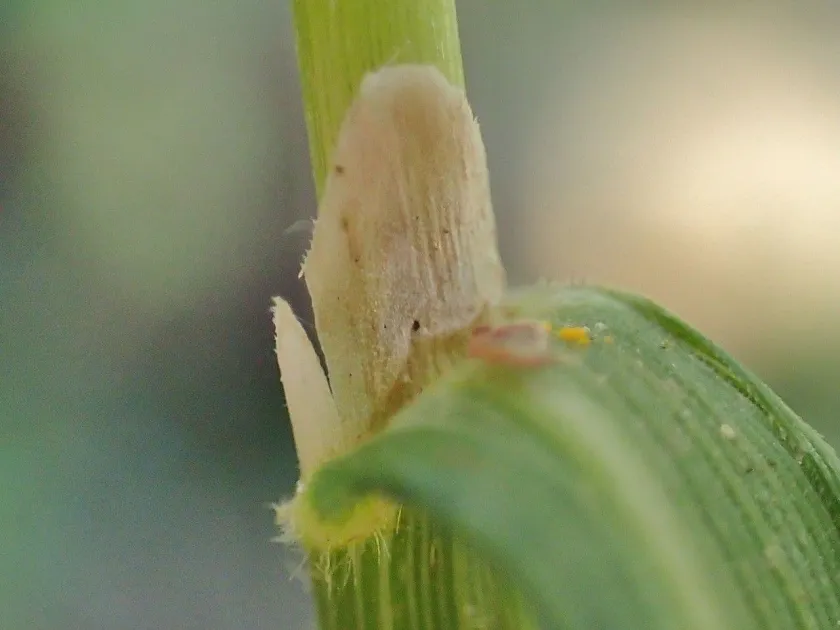
Description
Growing requirements
Perotis scabra, commonly known as a member of the Poaceae family, is a distinct grass species characterized by its needle-like spikes and hardy growth habits. It serves as an essential botanical component in arid and semi-arid grasslands across its native ranges.
The origin of this species is primarily traced to the tropical and subtropical regions of Africa and parts of Asia. It thrives in open, sandy habitats, showcasing a remarkable ability to colonize disturbed soils where other vegetation might struggle to establish.
Environmental requirements for Perotis scabra include high irradiance and well-drained soil profiles. It is notably drought-tolerant, exhibiting morphological adaptations that minimize water loss while maintaining structural integrity in hot, dry environments.
From an agronomical perspective, management involves regulating grazing pressure to ensure the sustainability of the stand. It is generally not cultivated as a primary intensive crop, but rather managed as a component of natural rangelands for extensive livestock grazing systems.
Regarding its utility, the species provides a source of forage for cattle and wildlife during its vegetative stage. Its resilience makes it a subject of interest for soil stabilization projects in areas susceptible to erosion due to its deep root architecture.
Main diseases and pests
The main threats to Perotis scabra include various fungal pathogens such as rusts and leaf spots that proliferate under high-humidity conditions. Additionally, excessive grazing can deplete the plant's reserves, leading to a decline in population density.