
Perotis patens
Perotis patens
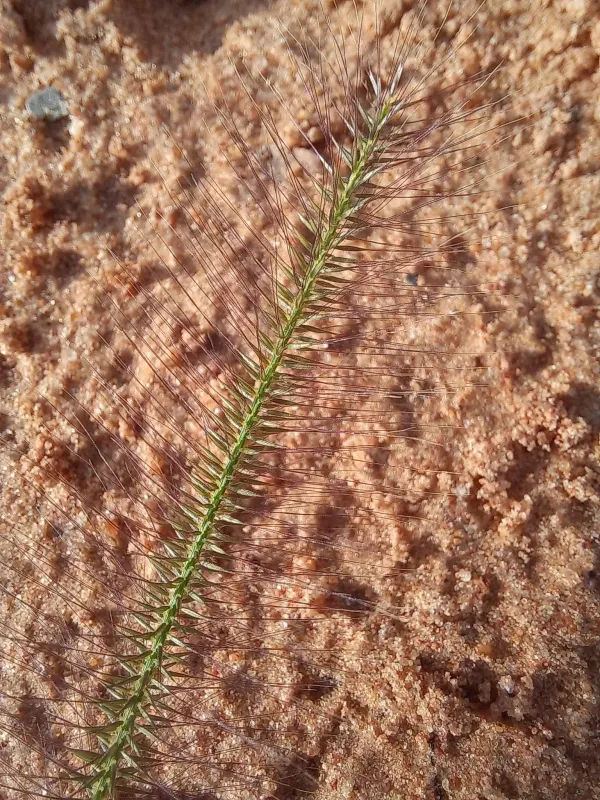
Description
Sowing dates
Perotis patens is a perennial grass belonging to the Poaceae family. Native to tropical and subtropical regions of Africa, this species is well-adapted to harsh environments, particularly sandy soils and open savannah areas where other grasses often struggle to establish.
The sowing season is determined by the onset of the rainy period. For successful establishment, seeds should be sown at a shallow depth, ensuring they remain moist during the initial germination phase. Proper seedbed preparation is essential to ensure uniform emergence in tropical climates.
Growing requirements
This crop thrives in well-drained, sandy, or light loam soils. It is notably tolerant of nutrient-poor soils, making it an excellent candidate for marginal lands. However, moderate nitrogen application can significantly increase the total biomass yield in commercial settings.
Perotis patens requires high levels of solar radiation and is highly sensitive to shading. It performs best in hot, dry environments with distinct seasonal changes. It is particularly valued for its drought resistance, allowing it to remain productive when other forage sources are depleted.
Standard agronomic practices include weed control in the first few weeks of growth, as the plant establishes its root system slowly. Maintaining an appropriate distance between rows or plants prevents inter-plant competition and ensures each plant receives adequate nutrients and water.
Yield
The primary agricultural application for Perotis patens is as a grazing forage for livestock. In its native habitats, it serves as a critical feed source, providing green forage during the early part of the wet season when high-quality grass is relatively scarce.
Yield performance is highly dependent on grazing management strategies. Under a controlled rotational grazing system, the plant demonstrates good recovery potential. It is important to prevent overgrazing to maintain the long-term health and productivity of the pasture area.
Main diseases and pests
Fungal pathogens represent the most significant threat, especially under conditions of excessive humidity or poor soil drainage. Pest pressures include various grass-feeding insects, such as locusts and stem borers, which can cause local damage if the pasture is not managed correctly.
Harvesting
Harvesting for hay should occur before the plant reaches full maturity to maximize protein and mineral content in the leaves. A high-mowing technique is recommended, leaving at least 5-7 centimeters of stubble to ensure the plant can efficiently regenerate for subsequent harvests.