
Perotis indica
Perotis indica
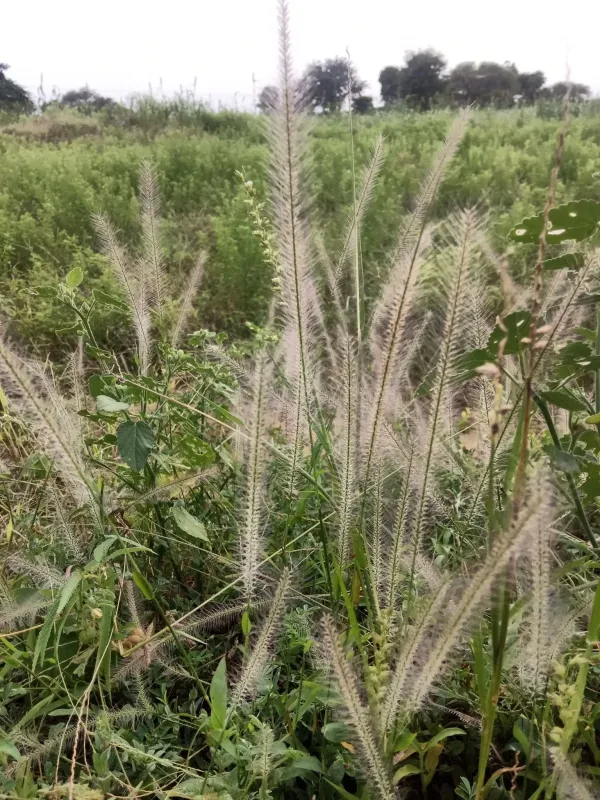
Description
Sowing dates
Perotis indica is an annual grass species, which means its population relies on seed dispersal for propagation. Natural seeding typically occurs towards the end of the monsoon season, when soil moisture levels are optimal for germination.
In cultivated or semi-cultivated environments, it is recommended to sow the seeds into warmed soil at the onset of monsoon rains. The ideal temperature range for seed germination is between 25 and 30 degrees Celsius, provided the upper soil layer remains consistently moist.
For successful establishment, seeds should be planted at a shallow depth, no more than 1–2 centimeters, which is characteristic for the small seeds of most wild grasses. Surface-level placement allows the seedlings to reach the surface quickly following the first rains.
Seed density is a critical factor during sowing, as the plant forms spreading clumps. Excessive crowding can lead to the suppression of individual plants due to competition for essential soil nutrients.
Seeds maintain viability for only one growing season; therefore, it is vital to use fresh planting material collected at the end of the previous maturation cycle for agricultural purposes.
Growing requirements
Perotis indica belongs to the Poaceae family and is a typical species in the flora of tropical and subtropical regions across Asia and Africa. The culture is strictly photophilous and requires well-lit, open areas for healthy growth.
The plant thrives in sandy, loamy, and rocky soils with good drainage. It does not tolerate waterlogging, meaning growth slows significantly in heavy clay soils unless proper soil amendments are applied.
Climatic requirements are defined by a high demand for warmth and high air humidity during the active growing season. However, once established, the plant shows moderate tolerance to short-term dry spells.
To ensure full development, the plant needs open spaces, as it cannot withstand shading from taller weeds or woody species. This makes it suitable for grazing lands with low grazing intensity.
Agricultural management includes maintaining a neutral or slightly acidic soil pH. Excessive nitrogen fertilization may stimulate vegetative biomass but can also reduce the plant's resistance to lodging.
Yield
The agricultural use of Perotis indica is limited by its status as a natural forage grass. The yield of green biomass depends heavily on rainfall patterns throughout the growing season and substrate fertility.
In natural conditions, the plant forms a thick herbaceous cover, which is palatable to livestock before the flowering stage. However, the nutritional value decreases significantly once the inflorescences become coarse and tough.
A biological feature of this species is its ability to regrow rapidly after moderate grazing, making it a viable source of supplementary forage in pasture systems.
Maximum productivity occurs in mid-summer under conditions of regular rainfall. In drier environments, the biomass becomes increasingly fibrous, which reduces its desirability for grazing herbivores.
To preserve productivity, rotational grazing is recommended to prevent overgrazing and the depletion of the soil layer where the culture grows.
Main diseases and pests
The primary diseases affecting Perotis indica are fungal infections, which manifest under conditions of excessive humidity and poor air circulation in the stand. Rust and various leaf spot diseases can damage crops if agricultural practices are neglected.
In terms of pests, insect larvae that damage the root system during early development pose the greatest risk. Infestations of aphids are also possible, as they feed on the sap of young shoots, weakening the plant.
Soil-dwelling nematodes can be a serious impediment to growth, particularly in areas with consistently high soil moisture. They cause root deformation and inhibit the development of the aerial part of the plant.
Competition from aggressive weed species is the main biological enemy of this culture. Due to its slow initial development, Perotis indica can be easily suppressed by more active weed varieties.
Management strategies include proper crop rotation and the prevention of waterlogged soil conditions. Chemical protective measures are rarely used due to the low economic efficiency of cultivating this species on an industrial scale.