
Perotis rara
Perotis rara
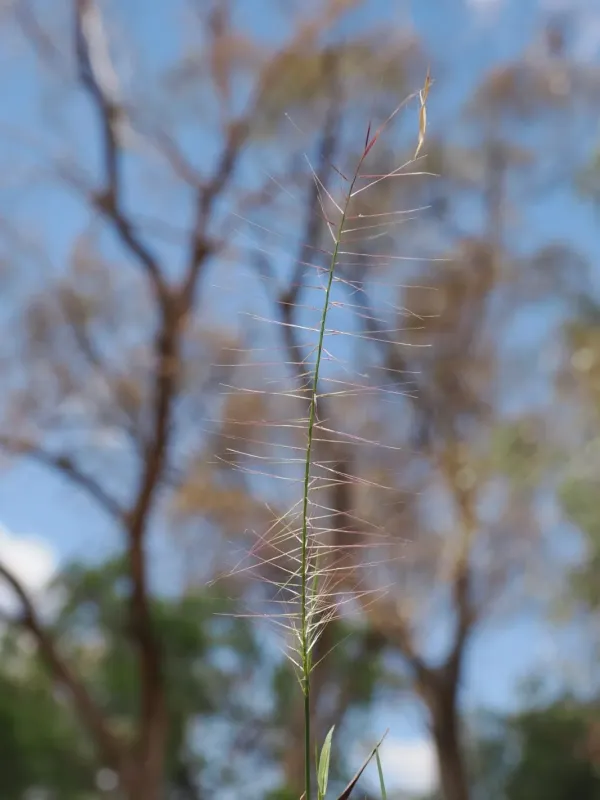
Description
Sowing dates
Perotis rara is a heat-loving grass species that requires well-warmed soil for successful seed germination. The optimal sowing time is when stable high temperatures are established, ensuring there is absolutely no risk of late frosts.
The seeds of this plant exhibit high field emergence when temperature conditions are optimal. Planting depth should be minimal, as the small seeds may struggle to emerge if covered by too thick a layer of soil.
In regions with distinct seasons, sowing is best performed in late spring or early summer. This approach allows the plant to maximize its active growth phase before the onset of cooler autumn temperatures.
Seedbed preparation involves deep loosening and leveling of the field surface. Establishing good contact between the seeds and moist soil is crucial to trigger early and uniform germination.
Seeding rates should be determined based on the intended use of the crop. When utilizing the plant for pasture establishment, a moderate planting density is recommended to ensure robust root system development.
Growing requirements
Perotis rara belongs to the Poaceae family and is a typical representative of tropical and subtropical vegetation. The plant is highly drought-tolerant, which allows it to adapt to poor soil conditions effectively.
The crop prefers light, sandy, or loamy soils with a neutral or slightly acidic pH level. Waterlogging is detrimental to this species, making the selection of well-drained sites critical for achieving high yields.
Sunlight is the primary factor for the proper development of this grass. Perotis rara does not tolerate shading and requires open, sunny areas to reach its full biological potential.
The plant demonstrates exceptional tolerance to nitrogen deficiency in the soil, an adaptation derived from its evolutionary development in poor tropical ecosystems. Nevertheless, the application of balanced fertilizers during initial growth stages helps in building stronger biomass.
Climate requirements include high levels of insolation and the absence of extreme cold. In temperate climates, this species can only be cultivated as an annual crop during the summer period.
Yield
Agricultural use of Perotis rara is primarily focused on forage purposes. During its active growth phase, the plant produces nutritious green biomass that is readily consumed by livestock.
Yield levels depend directly on soil fertility and irrigation management. Although the culture is considered a wild grass, with proper agronomic practices, it can produce significant quantities of quality fodder.
Nutritional value remains high until the flowering phase, after which fiber content increases significantly and palatability for livestock decreases. Regular mowing or grazing encourages the growth of fresh, tender shoots.
Integrating this crop into rotation cycles helps maintain soil structure through its extensive root system. This makes it a valuable component for rehabilitating degraded agricultural lands.
While the full yield potential under intensive farming conditions is still being researched, current data confirm the suitability of the culture for pasture use in warm climates.
Main diseases and pests
Perotis rara possesses strong natural immunity to most common cereal diseases. Due to the specific structure of its leaves, the plant is rarely affected by fungal infections that are common in humid environments.
The primary threat to the crop comes from pests that feed on succulent plant tissues. Specifically, phytophagous insects can damage young seedlings, requiring close monitoring during the first few weeks after emergence.
Weeds are the main competitors for Perotis rara at the beginning of the season. Due to its slow initial development, young plants require protection from aggressive weed species that might suppress their growth.
In conditions of high humidity, root rot may occur if the soil lacks sufficient aeration. Timely inter-row cultivation helps prevent such issues and improves the overall condition of the grass stand.
Disease prevention is based on crop rotation and avoiding over-density in the field. Using high-quality seed that is free from weed impurities significantly reduces the risks to the upcoming harvest.