
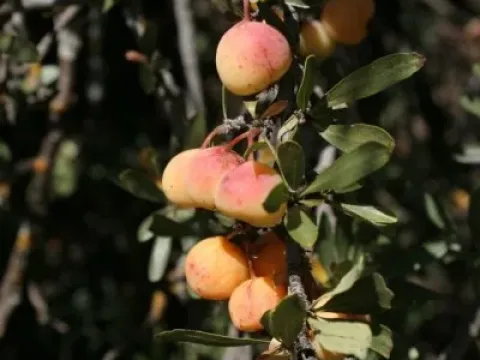
Peraphyllum
Peraphyllum
Peraphyllum (lat. Peraphyllum) is a monotypic genus of shrubs belonging to the Rosaceae family. Naturally, this plant is endemic to the arid regions of western North America, thriving in environments where moisture is limited and temperatures fluctuate significantly.
What the section contains

Peraphyllum
Botanically, this shrub is characterized by its woody structure and its ability to survive in semi-desert conditions. It typically develops a compact, dense habit with small leaves that are well-adapted to reducing transpiration and conserving water under intense sun exposure.
Successful cultivation requires soil that provides excellent drainage. Peraphyllum will not tolerate heavy, clay-rich soils that retain moisture for extended periods, as these conditions are the primary cause of root system failure and subsequent plant decline in a garden setting.
Environmental requirements for this plant include full solar exposure. It is a heliophilous species that requires high light intensity to maintain its structural integrity and produce its delicate, rose-like flowers during the blooming season in the spring.
In terms of usage, Peraphyllum is mainly appreciated by enthusiasts of xeriscaping and sustainable landscape design. Its natural resilience makes it an ideal candidate for rock gardens and areas where traditional high-maintenance shrubbery would fail to establish.
Fungal infections represent the most significant threat to the health of the shrub, particularly when grown in conditions with poor air circulation or excess humidity. Proper spacing between individual plants is essential to ensure that foliage dries quickly after rainfall or irrigation.
Pests such as aphids and leaf-eating caterpillars can damage the plant, especially during the early stages of spring growth. A regular monitoring program is advised to detect early infestations and intervene with biological or chemical controls before significant damage occurs.
Root rot, induced by overwatering or poor soil drainage, is a critical physiological threat. It is imperative for growers to prioritize soil preparation to ensure a porosity level that mimics the plant's native rocky or gravelly habitats in the American West.
Weakened plants are more susceptible to opportunistic pathogens that would otherwise be harmless to a healthy specimen. Maintaining a balanced nutrient supply and avoiding excessive nitrogen, which induces tender growth, helps keep the shrub robust against seasonal challenges.
Sanitation is a vital aspect of pest and disease management. Removing any dead wood or debris from under the canopy will help reduce the reservoir of spores and overwintering insect stages, promoting the long-term health of the Peraphyllum specimen.