
Squaw apple
Peraphyllum ramosissimum
Description
Growing requirements
Squaw apple (Peraphyllum ramosissimum) is a hardy deciduous shrub belonging to the Rosaceae family. It is a monotypic genus native to the arid environments of the Western United States, particularly within the Great Basin and surrounding plateau regions.
The species requires full sun exposure to maintain its compact growth habit and prolific flowering. It is perfectly adapted to well-drained, rocky, or sandy substrates, often thriving in soil types where other ornamental shrubs struggle.
Agricultural management of Peraphyllum ramosissimum focuses on providing excellent soil aeration. It is strictly intolerant of waterlogged conditions, which necessitates planting on slopes or in soil mixes with high gravel content.
In terms of climatic requirements, the shrub is highly resilient to both extreme cold and summer heat. It serves as an excellent model for xeriscaping, requiring minimal irrigation once the root system is well-established.
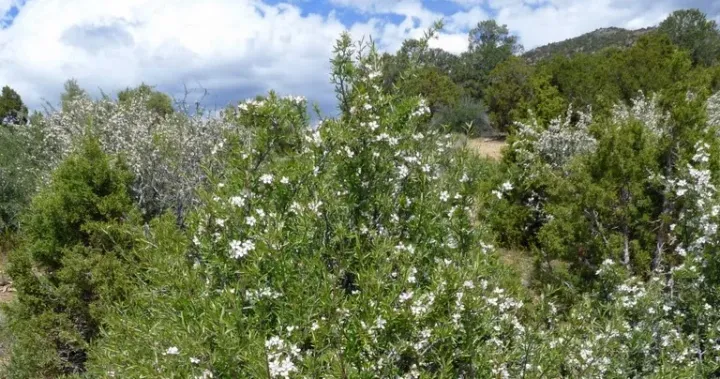
Its botanical features include small, leathery, alternate leaves and distinctive pinkish-white blossoms that appear in spring, followed by small, pome-like fruits that provide visual interest in the landscape.
Main diseases and pests
Aphids represent the most common insect pest for this culture. These insects target the tender growth during the spring flush, potentially deforming the foliage and reducing the aesthetic value of the shrub.
Powdery mildew is a recurring threat if the plants are placed in areas with poor air circulation or subjected to high relative humidity, even if the root zone is dry.
Root rot is the primary physiological threat. It is almost exclusively caused by over-irrigation or planting in heavy soils that retain too much moisture during dormant periods.
Regular sanitation, such as removing dead or diseased wood during the dormant season, is critical to maintaining the plant's health and preventing the spread of fungal pathogens.
Monitoring for signs of stress, such as yellowing leaves or dieback of terminal shoots, allows for early intervention, ensuring the longevity of the shrub in a horticultural setting.