
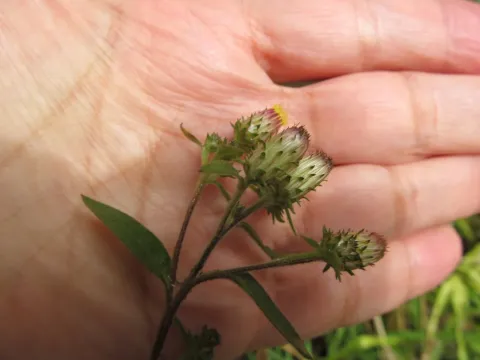
Pentanema
Pentanema Cass.
Sowing of Pentanema seeds is carried out primarily in the spring once the soil temperature reaches a consistent 10–12°C. The end of April to early May is considered the optimal window for most climates.
What the section contains

Pentanema
For direct sowing, fields must be prepared to a fine tilth. Seeds should be placed at a shallow depth of approximately 1–1.5 cm to ensure good contact with the moist soil and proper germination.
In regions with a short growing season, starting seeds in trays indoors during late March is recommended. This ensures that healthy seedlings are ready for transplanting as soon as the frost risk has passed.
Spacing is a critical factor for crop success. A row distance of 45–60 cm is standard, allowing for adequate nutrient access and simplified mechanical weeding during the early stages of growth.
Seeds are generally reliable, with germination occurring 14–20 days after sowing. Maintaining consistent surface soil moisture during the first few weeks is essential for a uniform stand.
Pentanema, belonging to the Asteraceae family, thrives in open, sun-exposed areas. While the plant shows decent drought tolerance once established, consistent moisture is beneficial during the active growth phase.
The crop performs best in light, fertile sandy or loamy soils with a neutral to slightly alkaline pH. Heavy clay soils that retain excess moisture can lead to root health issues.
Weed management is vital during the first month after emergence, as young plants do not compete well with vigorous weeds. Excessive shade should be avoided to ensure high essential oil content.
Phosphorus and potassium fertilizers are recommended at the onset of the budding stage to promote quality. Nitrogen should be used judiciously to avoid excessive vegetative growth at the expense of root development.
The plant is highly adaptable to temperature fluctuations, which makes it a resilient crop for various temperate climate zones, provided it has good drainage.
The yield of Pentanema is measured by the total weight of dried biomass, including both roots and aerial parts, depending on the specific industrial use of the crop.
Under optimal agronomic conditions, growers can expect an average yield of 1.5 to 2 tons of dry raw material per hectare. This yield varies based on plant density and soil fertility management.
Effective weed control during the establishment phase is the most significant factor in achieving high yields. Early-stage neglect can reduce potential harvest weight by a substantial margin.
It is noted that second-year plants generally exhibit more robust root development, which often results in higher quality and quantity of extractable material compared to first-year crops.
The timing of the harvest is crucial, as the concentration of active substances is highest at specific phenological stages, directly affecting the economic returns for the farmer.
Fungal diseases, particularly powdery mildew, are the primary threat to Pentanema, often occurring under conditions of high humidity and poor field ventilation.
Root rot can become a significant issue in poorly drained fields. Crop rotation and selecting well-draining soil types are the most effective preventative measures against this problem.
Pests such as aphids and spider mites can infest the foliage during warm periods. Integrated pest management strategies, including the use of targeted biological controls, are preferred.
Regular field inspections and the prompt removal of infected plants help to prevent the spread of localized disease outbreaks across the entire plantation.
Rust infections can also appear as brown spots on the leaves; in such cases, immediate intervention with appropriate fungicides is necessary to protect the plant's health.
Aerial parts are harvested during the peak flowering stage to maximize the content of essential oils and other medicinal compounds stored within the leaves and flowers.
Roots are harvested late in the autumn after the plant has begun its natural dormancy, as this is when the roots are richest in stored metabolic products.
The harvesting process typically involves mechanical undercutting of the roots, followed by thorough washing in running water to remove soil and impurities.
Drying must be performed in well-ventilated sheds or industrial dryers at temperatures not exceeding 45°C to avoid the thermal degradation of delicate chemical compounds.
Once dried to the required moisture level, the raw material should be sorted, cleaned of debris, and stored in hermetic containers to preserve its quality and shelf life.