
Pearl millet
Pennisetum spicatum
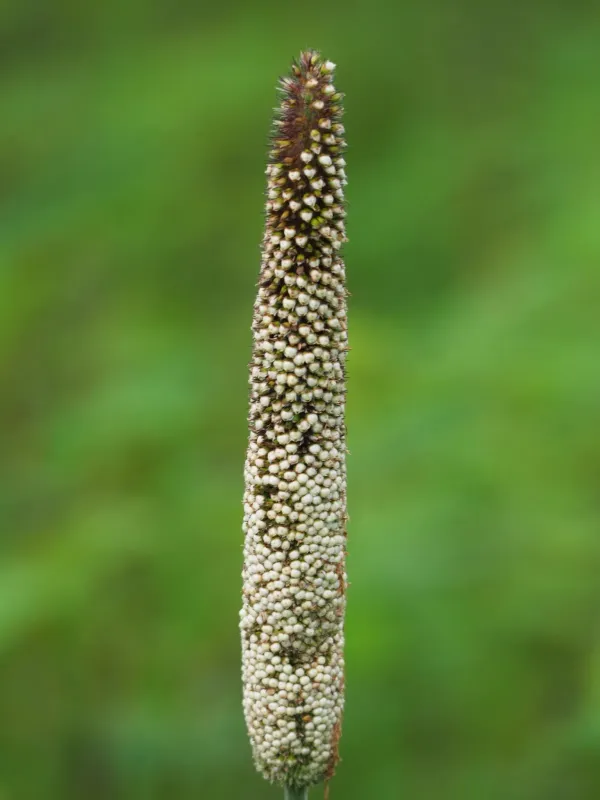
Description
Sowing dates
Pearl millet is a warm-season crop that requires high temperatures for optimal growth. Sowing should commence once soil temperatures at seeding depth reach at least 15–18°C to ensure rapid germination.
In temperate zones with shorter summers, planting must be carefully timed to avoid late spring frost, which can be fatal to young seedlings. It is essential to wait until the risk of frost has completely passed.
Seeds are typically planted at a depth of 3–5 cm. In drier conditions or sandy soils, slightly deeper planting may be necessary to place the seed in contact with soil moisture, though excessive depth should be avoided.
The seeding rate ranges between 4 to 10 kg per hectare, depending on whether the crop is intended for grain production or forage. Row spacing is usually kept between 45 to 70 cm for grain crops.
Using high-quality, certified seeds and ensuring a well-prepared seedbed are fundamental for achieving uniform stand establishment. Proper field preparation helps to reduce early competition from weeds.
Growing requirements
Belonging to the Poaceae family, pearl millet is one of the most drought-tolerant cereal crops in the world. It thrives in high-temperature environments where other crops often fail due to water stress.
The crop is highly adaptable to a wide range of soil types, including acidic and saline soils. It performs well even in low-fertility soils, making it an excellent choice for marginal land management.
Pearl millet requires plenty of sunlight for maximum yield. It is sensitive to shading, so it should be planted in open areas to ensure high rates of photosynthesis and biomass accumulation.
While tolerant of poor soils, the crop is responsive to nitrogen fertilization. Adding moderate amounts of nutrients can significantly boost both vegetative biomass and grain yield potential.
Its deep and extensive root system allows the plant to extract moisture from deep soil layers. This physiological advantage makes it a reliable staple crop in arid and semi-arid regions globally.
Yield
Under favorable conditions, grain yields can reach 2 to 4 tons per hectare. With advanced management practices and optimal weather, yields can be significantly higher in dedicated commercial operations.
When cultivated for forage or silage, pearl millet is exceptionally productive, often yielding between 30 and 50 tons of green biomass per hectare. It serves as a vital feed source for livestock.
The growing season spans from 70 to 120 days, depending on the variety and local climatic conditions. Early-maturing varieties are often chosen for regions with a limited growing season.
Pearl millet grain is highly nutritious, being rich in protein, fiber, and essential minerals. It is used for human consumption, animal feed, and in the production of specialized bio-products.
Consistency of yield during harsh weather years is a primary competitive advantage of pearl millet over corn or sorghum. This reliability provides essential food security in vulnerable agricultural zones.
Main diseases and pests
The crop is susceptible to several fungal diseases, with ergot being the most significant threat to inflorescences. This disease can drastically reduce grain quality and yield if not managed properly.
Common pests include aphids and various shoot flies that feed on young succulent tissues. Severe infestations can cause stunted growth and reduced vigor in the crop stand.
Rust and smuts are other potential threats that can occur during the growing cycle. Integrated pest management, including crop rotation and the use of fungicide-treated seeds, is recommended.
Birds can cause major damage to the crop as the grain begins to mature. Protecting the fields with netting or auditory scare devices is often necessary in areas with high bird populations.
Weed management during the initial growth stage is critical. Because pearl millet establishes slowly, it can be easily outcompeted by aggressive weeds if the field is not kept clean.
Harvesting
Harvesting for grain should be performed at physiological maturity when grain moisture content is around 14–16%. Proper combine harvester calibration is necessary to minimize losses.
For forage production, harvesting is best performed at the booting or early flowering stage. This timing ensures the highest nutrient density and digestibility for animal feed applications.
In multi-cut systems, cutting height must be managed to allow for rapid regeneration of the plant. Pearl millet is known for its ability to regrow vigorously after mechanical harvesting.
Post-harvest management is essential to ensure long-term grain storage. Thorough cleaning and drying of the seed to a safe moisture level prevent mold and spoilage in silos.
In cases of uneven crop maturation, desiccation may be used to prepare the field for harvest. This technique helps ensure consistent moisture levels across the entire harvested crop volume.