
Pennisetum polystachion
Pennisetum polystachion
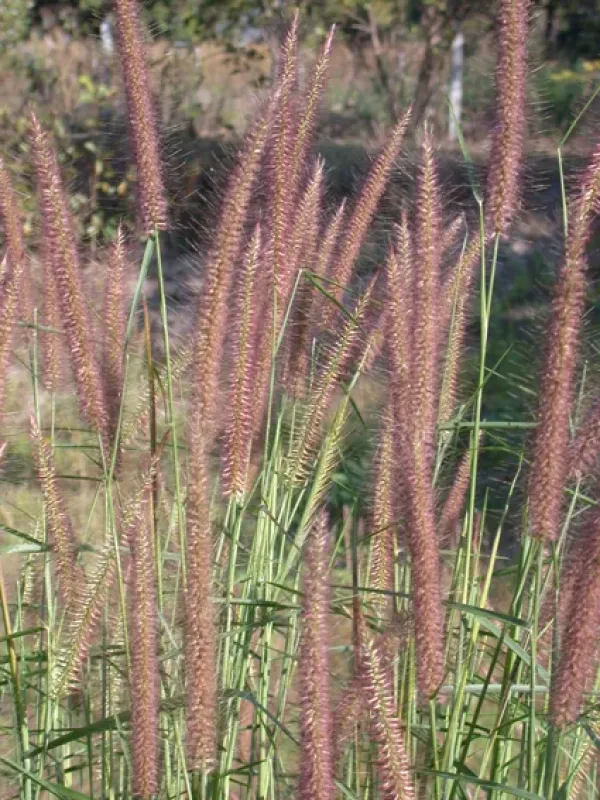
Description
Sowing dates
Pennisetum polystachion, also known as mission grass, is a robust grass species that thrives in warm, tropical climates. Sowing typically begins at the onset of the rainy season to ensure sufficient soil moisture for the germination of its small, lightweight seeds.
The optimal soil temperature for successful germination ranges from 20 to 25 degrees Celsius. Because the seeds are tiny, they should be sown shallowly, ideally at a depth of 1–2 centimeters, to allow the seedlings enough energy to break through the surface.
Effective field preparation is crucial, as the crop is initially slow-growing and can be easily outcompeted by aggressive weeds. Maintaining a clean seedbed and ensuring optimal seeding rates helps establish a uniform stand that eventually forms a dense, weed-suppressing canopy.
Modern precision planting equipment can be used to achieve even distribution, which is vital for uniform maturity. Ensuring consistent soil moisture during the first few weeks post-sowing is the most critical factor for successful stand establishment.
In large-scale forage production, Pennisetum polystachion may be sown alone or in mixtures to enhance the nutritional profile of the harvested fodder. Proper density management ensures that the grass can express its full biomass potential.
Growing requirements
As a member of the Poaceae family, Pennisetum polystachion is a light-demanding plant that requires full sun and high temperatures to achieve peak productivity. It is highly adapted to tropical and subtropical regions where frost is absent.
This species is well-known for its ability to grow in poor, acidic, and low-fertility soils, making it an excellent candidate for reclaiming degraded lands. However, it responds vigorously to fertile, well-drained loam soils with higher organic matter content.
It exhibits exceptional drought tolerance due to a deep, extensive root system. While it can survive long dry spells, its biomass production increases significantly with supplemental irrigation or consistent rainfall, ideally between 800 and 1500 mm annually.
Adequate soil aeration is essential, as waterlogging can cause root decay and inhibit plant vigor. The plant prefers neutral to slightly acidic soil conditions and shows a strong positive response to nitrogen-based fertilization programs.
Exposure to full sunlight is critical for maximizing nutrient density, particularly protein content. Shaded environments tend to produce lower-quality biomass with higher fiber levels, making site selection a key strategic decision.
Yield
The yield of Pennisetum polystachion is largely determined by soil fertility, frequency of cutting, and moisture availability. When managed intensively, this grass can produce multiple cuts per season, providing a reliable source of green fodder.
Rapid biomass accumulation occurs after the establishment phase, with the plant capable of reaching significant heights within 60 to 90 days. This makes it a highly efficient crop for intensive rotational grazing or cut-and-carry systems.
Average dry matter yields vary from 5 to 12 tons per hectare under optimal conditions with standard fertilization. Because the crop produces a high ratio of leaf-to-stem mass, it remains highly palatable and nutrient-rich if harvested at the right time.
Regrowth capacity is a standout feature of this species. After each cut, if environmental conditions are favorable, the grass recovers quickly, often producing even thicker stands in subsequent regrowths during the same growing season.
Regular laboratory testing of the forage is recommended to monitor crude protein and structural carbohydrate levels. This data allows farmers to optimize harvest windows to match the specific needs of their livestock operations.
Main diseases and pests
Pennisetum polystachion can be susceptible to various fungal pathogens, especially rust diseases, which thrive in humid and poorly ventilated conditions. These infections can severely reduce the photosynthetic surface area and decrease forage quality.
Insect pests, such as stem borers and various moth larvae, pose a significant risk by damaging the growing points of the plants. Integrated pest management (IPM) strategies, including the use of pheromone traps and selective biocontrols, are highly effective.
Root-knot nematodes can become a major concern in monoculture plantations over several years, leading to stunted growth and reduced yields. Practicing crop rotation or integrating legumes into the system can help break the nematode lifecycle.
Viral infections transmitted by aphid populations may cause mosaic symptoms and leaf deformation. Maintaining clean field borders and controlling insect vectors are the primary defense mechanisms against these systemic diseases.
- Monitoring for early symptoms of fungal rust.
- Strategic insecticide application to prevent major outbreaks.
- Maintaining proper row spacing to enhance airflow and reduce humidity.
Harvesting
Harvesting should occur just before the onset of the flowering stage. At this developmental point, the plant contains the optimal balance of protein, energy, and structural carbohydrates, ensuring maximum nutritional value for livestock.
Mechanical harvesting using forage harvesters or mowers is the most common practice. It is essential to set the cutting height to ensure that enough basal buds are left intact for rapid regrowth, avoiding damage to the crowns of the plants.
The green forage can be utilized immediately as fresh feed, ensiled for long-term storage, or dried as hay. Ensiling is particularly effective for preserving the forage quality for use during the dry season or periods of feed scarcity.
When producing hay, careful attention must be paid to the drying process to prevent excessive loss of leaf material, which is the most nutritious part of the plant. Turning the windrows ensures even drying and prevents localized mold growth.
Proper storage is essential to maintain feed quality. Whether in bales or silos, the material must be protected from rainfall and high humidity to prevent the development of harmful molds and mycotoxins during the storage period.