
Pennisetum incomptum
Pennisetum incomptum
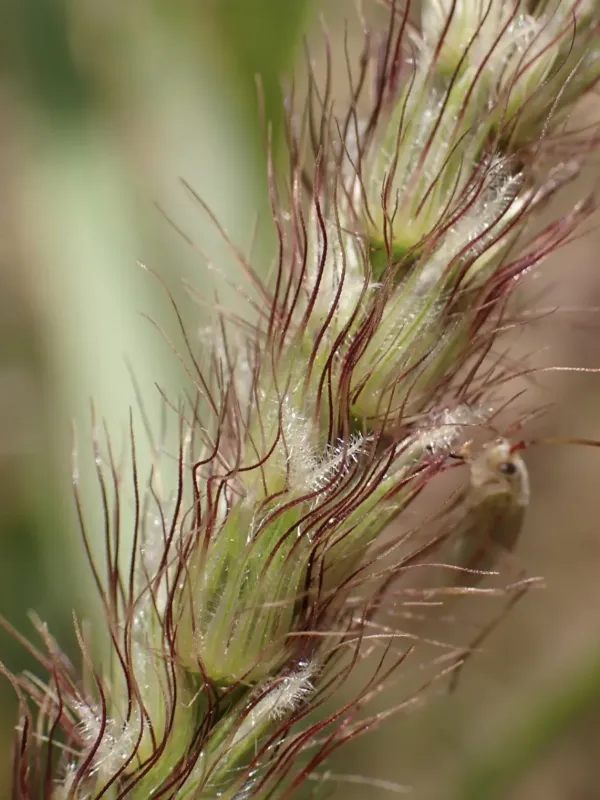
Description
Sowing dates
Planting Pennisetum incomptum should be performed in the spring when soil temperatures consistently reach at least 10 degrees Celsius. Optimal results are usually achieved in late April or early May.
Seeds should be sown at a depth of 2-3 centimeters to ensure proper germination. The soil surface must be prepared and leveled to prevent seeds from being buried too deeply, which can inhibit growth.
Spacing between rows should be maintained at 40-50 centimeters to allow for optimal plant development and sufficient light penetration. Wider spacing also facilitates mechanical weeding during the early stages of plant growth.
Consistent soil moisture is essential immediately following planting. Irrigation or natural rainfall in the first three weeks is crucial for the establishment of the seedlings.
Early maintenance is vital, as the seedlings are slow-growing compared to many common weeds. Regular monitoring and removal of weeds in the first two months will significantly improve the final crop yield.
Growing requirements
As a member of the Poaceae family, Pennisetum incomptum thrives in sunny environments. It requires full sun exposure to maintain its vigor and structural integrity, as shade can cause the plant to become spindly.
The plant prefers well-drained, fertile soil with a neutral to slightly acidic pH. It is sensitive to waterlogged conditions, so adequate drainage must be provided on heavier soil types to prevent root rot.
Fertilization management includes applying nitrogenous fertilizers early in the spring to promote vegetative growth. Potassium and phosphorus are recommended for late-season applications to ensure the plant enters dormancy with strong reserves.
Water requirements are highest during the peak of the growing season. While established plants demonstrate moderate drought tolerance, sustained periods of dry weather will result in decreased biomass production.
Effective management includes periodic tilling between rows to improve soil aeration. This practice is essential for maintaining a healthy rhizosphere and reducing the competitive pressure from other vegetation.
Main diseases and pests
Common fungal diseases, such as leaf rust and various spots, pose the greatest threat to the health of this crop. High humidity and poor air circulation within the plant canopy create favorable conditions for these pathogens.
Insects like aphids and mites are common pests that can damage foliage. Regular scouting and the use of appropriate integrated pest management strategies are necessary to keep infestation levels below the economic threshold.
Root rots can become a significant issue, particularly if irrigation management is poor or if the site has poor drainage. Ensuring that the soil does not stay saturated for long periods is the best preventive measure.
Weed competition is a constant threat throughout the growing cycle. Utilizing selective herbicides or mechanical cultivation is necessary to maintain a healthy and productive stand of the grass.
Vertebrate pests, such as field rodents, can cause damage to the underground rhizomes during the winter months. Field sanitation is essential to remove potential habitats and reduce the likelihood of winter damage.