
Pennisetum leonis
Pennisetum leonis
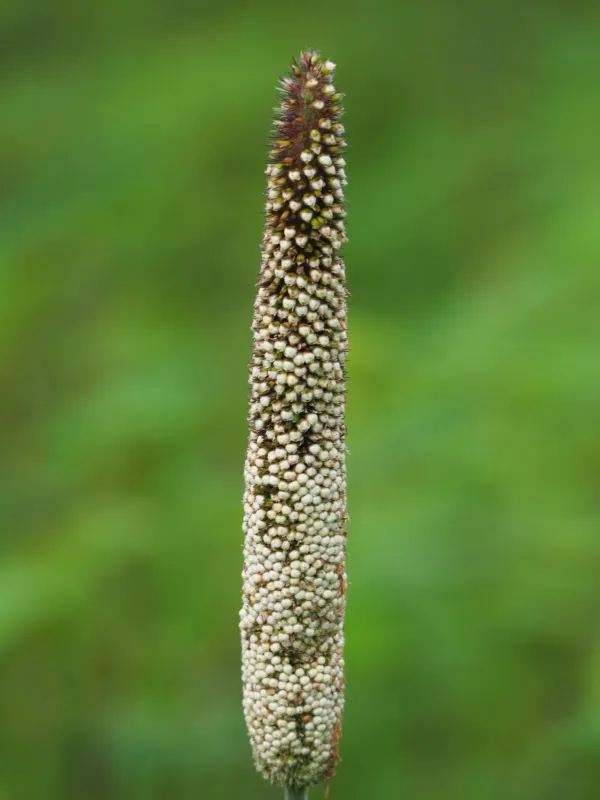
Description
Sowing dates
Pennisetum leonis is typically sown in well-warmed soil once the temperature remains stable between 15-18 degrees Celsius. The ideal sowing window is mid-spring, ensuring the risk of frost has passed completely.
The seeds should be planted at a shallow depth of 1-2 centimeters. Achieving a uniform sowing depth is essential for ensuring simultaneous germination and the robust establishment of the root system.
Pre-sowing treatment of seeds is recommended to enhance vigor and uniformity. This practice helps the seedlings overcome early environmental stresses and ensures a higher plant density in the field.
The recommended row spacing is 30-45 centimeters, which is optimal for forage production. This layout facilitates weed control and allows the plants enough space for proper vegetative growth.
Post-sowing soil compaction is a vital step in the process. It ensures the seeds maintain firm contact with the soil particles, which is necessary for efficient moisture absorption during the initial stages.
Growing requirements
Pennisetum leonis is a member of the Poaceae family, known for its high demand for warmth and solar radiation. It thrives best in regions with long, sunny days and warm nights during the active growing season.
The crop prefers fertile, well-drained soils, including sandy loams and light loamy textures. Maintaining a soil pH between 6.0 and 7.5 provides the best conditions for nutrient uptake.
As a C4 plant, it exhibits high drought tolerance. However, while it can withstand dry periods, supplemental irrigation during extreme droughts will maximize biomass production significantly.
Nitrogen fertilization is essential in the early stages of growth to encourage rapid canopy development. Timely nutrient application ensures the crop maintains a high growth rate throughout the season.
This grass is sensitive to waterlogging. Planting should be restricted to areas with adequate natural drainage to prevent root diseases and ensure long-term stand longevity.
Yield
The yield potential of Pennisetum leonis is closely tied to the level of agronomic management and soil fertility. Under optimal conditions, the crop produces multiple cuttings throughout a single season.
Farmers can expect green mass yields between 40 and 60 tons per hectare with appropriate fertilization. Providing nutrients immediately after each cut is crucial for sustained production levels.
The dry matter content usually ranges from 20 to 25 percent. The high nutritional value of this crop makes it a preferred choice for livestock producers seeking high-quality forage.
Yield stability is maintained over 3 to 5 years of active cropping. After this period, renewing the stand is often necessary to prevent yield decline and maintain the quality of the fodder.
Efficient management of grazing or cutting cycles allows producers to harvest the maximum amount of digestible protein and energy from this highly productive grass species.
Main diseases and pests
Pennisetum leonis generally possesses strong immunity against most common cereal diseases. However, high humidity levels in dense stands can occasionally lead to fungal leaf infections if air circulation is poor.
Pests such as aphids and spider mites can cause damage during the hot, dry months. Regular scouting is recommended to identify potential outbreaks before they impact crop biomass.
Integrated weed management and proper crop rotation serve as the primary defense against pests. Keeping the field free of competing weeds reduces the habitat for many harmful insect species.
If chemical intervention becomes necessary, only insecticides approved for forage use should be applied. Adherence to safety intervals before harvesting is mandatory to ensure feed quality and safety.
Disease prevention starts with the use of certified, clean seeds. Proper seed treatment before planting can significantly reduce the pressure from soil-borne pathogens in the young stand.
Harvesting
Harvesting for green forage should occur during the late boot or early heading stage. At this phenological stage, the plant balances the highest nutritional value with optimal biomass weight.
The cutting height should be maintained at 8-10 centimeters above the ground. Proper stubble height is essential to protect the growing points and stimulate rapid regrowth of the next cycle.
When producing hay, the crop should be turned regularly to ensure uniform drying. Minimizing the time between cutting and baling is key to preserving the nutrient density and preventing leaf loss.
Modern forage harvesters equipped with precision chopping mechanisms are recommended for large-scale operations. This increases harvest efficiency and improves the storage quality of the resulting silage.
Allowing for a rest period before the first autumn frost is important for the crop. This rest phase ensures the plant stores sufficient energy in its roots, which is vital for winter survival.