
Peltophorum pterocarpum
Peltophorum pterocarpum
Description
Sowing dates
Peltophorum pterocarpum is typically propagated from seeds, which possess a hard, impermeable seed coat that necessitates pretreatment before sowing.
Mechanical scarification or soaking seeds in hot water for several hours is essential to break dormancy and ensure uniform germination.
Seeds should be sown in prepared nursery beds or containers with a well-draining potting medium, usually at the beginning of the wet season.
The germination period usually lasts between two to four weeks, during which consistent moisture levels must be maintained in the seedling tray.
Once seedlings have developed several true leaves, they should be hardened off before being transplanted to their permanent site in the field.
Growing requirements
Belonging to the Fabaceae family, this species thrives in tropical climates characterized by warm temperatures and consistent, though not excessive, rainfall.
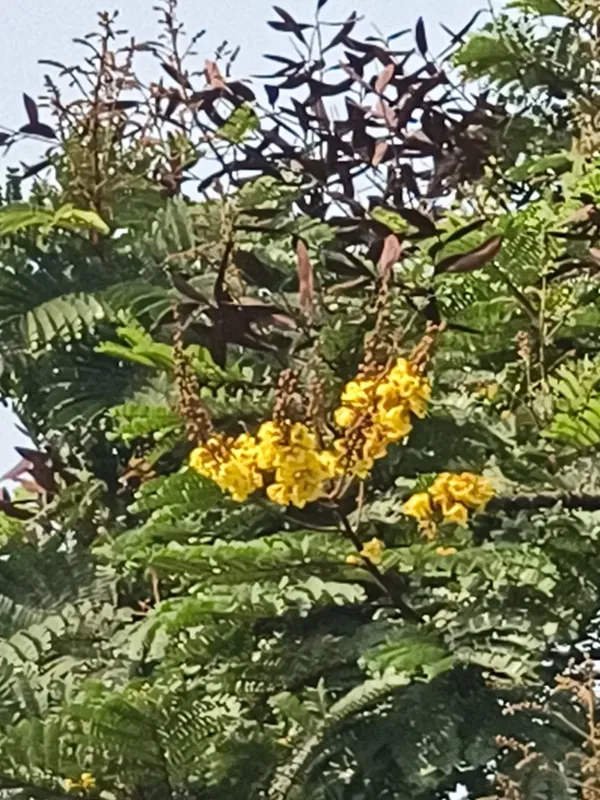
The tree requires full sun exposure to maintain its characteristic dense, umbrella-shaped canopy and to stimulate profuse yellow flowering.
While it can tolerate a variety of soil types, it performs best in deep, fertile, sandy loams that offer excellent drainage to prevent waterlogging.
It is moderately drought-tolerant once established, but supplemental irrigation is recommended during the first year of growth to ensure survival.
Periodic maintenance, including structural pruning, is vital to ensure the tree maintains a strong central leader and avoids breakage during high winds.
Main diseases and pests
Root rot and fungal wilts represent the most significant threats to Peltophorum pterocarpum, particularly in poorly drained or waterlogged soils.
Pests such as aphids and various species of caterpillars can cause significant defoliation, particularly on younger, vulnerable specimens.
Scale insects and mealybugs can infest the branches, leading to a general decline in the tree's health if left untreated with systemic insecticides.
Good cultural practices, such as maintaining proper spacing and ensuring adequate airflow, are critical for minimizing the incidence of foliage diseases.
Regular monitoring of the canopy is recommended to detect any early signs of pests, allowing for targeted control rather than broad-spectrum application.