
Peltophorum dasyrhachis
Peltophorum dasyrhachis
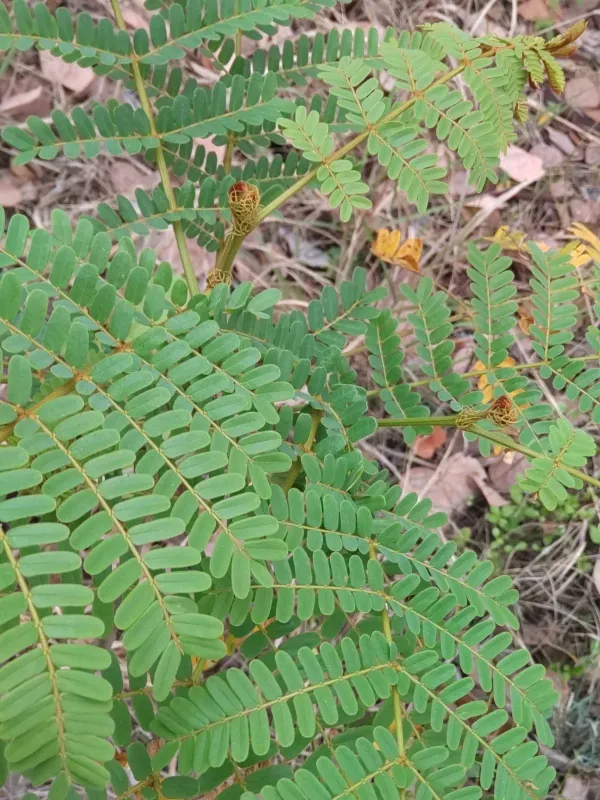
Description
Sowing dates
Peltophorum dasyrhachis is primarily propagated through seeds. Due to the hard seed coat, pre-sowing scarification is essential to ensure consistent and high germination rates in nursery conditions.
Seeds are typically sown in containers or nursery beds at the beginning of the rainy season. This timing ensures sufficient soil moisture, which is critical for the initial growth stages of the seedlings.
Once seedlings reach a height of 30–50 cm, they are ready for transplanting to their permanent field locations. Proper handling of the root ball during this process is vital to minimize transplant shock and encourage rapid establishment.
In agroforestry systems, trees are planted at specific intervals depending on the objective, such as timber production or living fences. Maintaining adequate spacing prevents overcrowding and competition for sunlight and nutrients.
Young plants require regular watering during the first year of growth. Weed management is equally important, as young saplings are susceptible to being outcompeted by invasive weeds in tropical environments.
Growing requirements
As a member of the Fabaceae family, Peltophorum dasyrhachis is a tropical leguminous tree. It thrives in hot, humid climates and is well-suited for regions with distinct wet seasons and high average temperatures.
The tree prefers deep, fertile, and well-drained soils. While it can adapt to various soil types, waterlogged conditions should be strictly avoided as they can lead to root degradation and stunted development.
Light intensity is a critical factor for this species; it requires full sun exposure for optimal growth and biomass production. Shaded environments are not recommended as they significantly reduce the tree's vigor.
The ability of Peltophorum dasyrhachis to fix atmospheric nitrogen is one of its most valuable traits. This biological process enriches the soil, making it a preferred species for sustainable land rehabilitation programs.
Maintenance of the canopy through periodic pruning helps keep the tree healthy and stimulates the growth of new, nutrient-rich biomass, which can be recycled into the soil as organic matter.
Yield
The primary economic output of this culture is timber. The wood is durable, moderately dense, and resistant to decay, making it suitable for furniture making, general construction, and craft applications.
Leaf biomass serves as a high-quality green manure. Regular pruning generates large volumes of organic material that improve soil structure, increase moisture retention, and boost the nitrogen content of the soil.
In many regions, the foliage is used as supplemental fodder for ruminants during dry spells. Its nutritional profile, combined with its accessibility, makes it a reliable resource for livestock farmers.
The tree also contributes to agroecosystem stability by providing shelter and food for various pollinators. This role is crucial for maintaining the biodiversity and productivity of nearby crops.
When managed as a sustainable timber plantation, Peltophorum dasyrhachis can provide consistent long-term yields while simultaneously maintaining the ecological health of the site.
Main diseases and pests
Root rot caused by fungal pathogens is the main threat to the species, particularly in poorly drained soils. Implementing proper drainage systems is the most effective preventative measure against these diseases.
Leaf-eating insects can occasionally cause damage to young saplings. While mature trees are generally resilient, monitoring for pest outbreaks during the active growing season is recommended for commercial plantations.
Physical injuries to the trunk, often caused by improper maintenance or machinery, can create entry points for wood-boring pests or fungal infections. Wound dressings are advised after significant pruning.
Severe tropical storms can pose a risk of branch breakage due to the tree's rapid growth habits. Establishing windbreaks can help mitigate damage and preserve the structural integrity of the plantations.
Overall, Peltophorum dasyrhachis exhibits high resistance to common agricultural threats when maintained with proper horticultural practices, making it a reliable choice for tropical forestry.
Harvesting
Timber harvesting occurs once the trees have achieved the required diameter, typically after 10 to 20 years. Selective harvesting is highly encouraged to maintain the plantation's canopy and soil health.
Foliage harvesting is performed via pruning, which can be done on a cyclic basis to ensure a continuous supply of green manure or fodder throughout the year.
Seed collection involves harvesting mature pods before they naturally dehisce. Proper timing is critical to maximize yields and ensure the availability of high-quality seeds for subsequent planting cycles.
Post-harvest processing includes cleaning and drying seeds to reduce their moisture content, which is essential for maintaining viability during storage in cool, dry conditions.
By-products of the timber industry, such as branches and bark, can be processed into wood chips or fuel, contributing to the overall efficiency and profitability of the agricultural venture.