
Peltophorum dubium
Peltophorum dubium
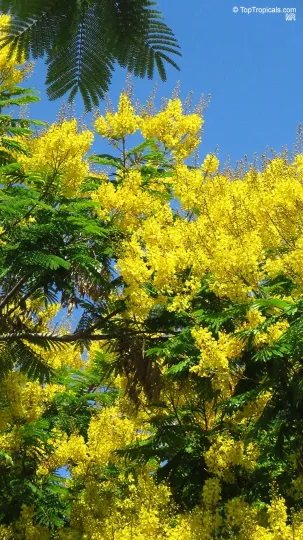
Description
Growing requirements
Peltophorum dubium, commonly known as ibirapitá, is a prominent member of the Fabaceae family. This tree species is highly valued for its rapid growth rate and its impressive, broad canopy that provides significant shade in tropical and subtropical landscapes.
In terms of light, the tree is a sun-loving species that thrives best in full exposure. While it exhibits remarkable drought tolerance once established, young specimens require a consistent irrigation schedule to ensure deep root penetration and healthy development during their early establishment phase.
The ideal soil profile for Peltophorum dubium consists of deep, well-drained loams. It is vital to avoid sites with heavy clay or poor drainage, as the species is highly susceptible to root rot and oxygen deprivation in stagnant water conditions.
Climatically, the species prefers warm temperatures and is well-suited to regions with distinct rainy and dry seasons. It contributes significantly to soil health by fixing atmospheric nitrogen, a trait that makes it an excellent choice for agroforestry systems and reforestation initiatives.
Beyond its ecological value, the tree is extensively utilized in landscaping and furniture manufacturing. Its timber is durable and rich in texture, making it a sustainable choice for high-quality woodwork when harvested from managed, certified plantations.
Main diseases and pests
The primary threats to Peltophorum dubium are pathogens associated with poorly drained soils. Fungal infections, particularly root rot, can be devastating if the tree is subjected to prolonged waterlogging, necessitating strict adherence to site preparation and drainage standards.
Insect pests, including defoliators and wood-boring beetles, can weaken the tree if an infestation is left unmanaged. Regular monitoring is essential, as early detection of larvae significantly reduces the need for heavy pesticide application and maintains the tree's vigor.
Nutrient deficiencies, specifically chlorosis caused by high soil pH or trace element imbalances, can impair the tree's photosynthetic ability. Implementing soil analysis and applying balanced organic fertilizers help maintain optimal chlorophyll production and growth rates.
Physical damage to the trunk caused by machinery or weather events can provide entry points for wood-decay fungi and pests. Ensuring that trees are planted in sheltered areas or using protective guards during the early stages of growth is recommended to prevent permanent damage.
Overall, Peltophorum dubium is a robust and resilient species. When integrated with proper silvicultural practices—such as selective thinning and monitoring—it remains a low-maintenance, high-value crop for both industrial and environmental applications.